


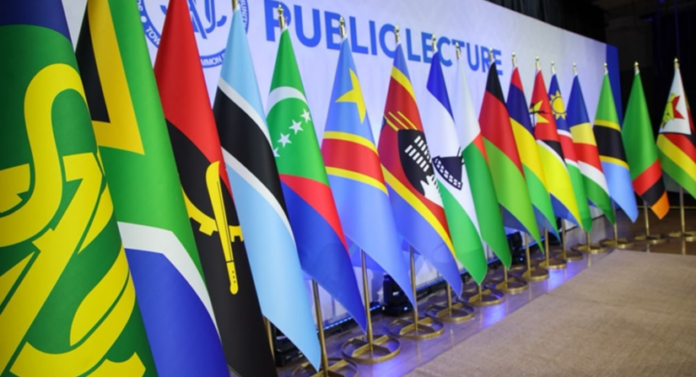
Durban, South Africa – Southern African leaders have backed a regional tourism visa and deeper economic integration after a major SADC summit in Durban. Leaders also agreed to strengthen cooperation on food security, infrastructure and critical minerals.
Heads of state and government from the 16-member Southern African Development Community met in South Africa on Monday. President Cyril Ramaphosa chaired the 46th Ordinary SADC Summit and took over as chairperson of the regional bloc.
One of the summit’s key decisions centred on the SADC Tourism UNIVISA. Leaders approved an agreement to establish the regional visa and urged member states to sign it. SADC hopes the initiative will make cross-border travel easier and attract more international visitors. It could also strengthen investment across Southern Africa’s tourism industry.
Regional economic transformation featured prominently in the discussions. Leaders identified infrastructure, agriculture and critical minerals as important drivers of SADC’s industrialisation strategy. They want Southern Africa to process more of its natural resources locally instead of relying heavily on raw commodity exports.
Building regional value chains could create jobs and expand manufacturing across member states. SADC also wants countries to increase production, boost value addition and expand trade within the region.
Food security emerged as another major concern. Governments are preparing for possible El Niño-related climate shocks across parts of Southern Africa. Leaders called for stronger early-warning systems, irrigation investment and better drought preparedness. They also encouraged greater use of drought-tolerant crops and climate-smart agriculture.
SADC wants agricultural products to move more easily between member states. Leaders called on governments to remove non-tariff barriers and improve cross-border logistics. They also want countries to harmonise standards across regional markets. These measures could help move food from surplus areas to countries facing shortages.
Financing remains a major obstacle to SADC’s infrastructure and development ambitions. Leaders urged countries to accelerate efforts to establish the SADC Regional Development Fund. The proposed fund could help mobilise regional resources for infrastructure, industrialisation and wider development programmes.
Health security also featured in the summit’s decisions. Leaders called on member states to improve disease surveillance and share information more quickly. Governments also agreed on the need to strengthen regional preparedness against future pandemics and disease outbreaks.
SADC leaders addressed the Ebola outbreak in the Democratic Republic of Congo and called for continued regional support. Better coordination between national health authorities remains central to efforts to contain diseases before they spread across borders.
Migration also reached the summit agenda after South Africa briefed leaders on regional migration governance. SADC called for greater cooperation and dialogue between member states. Leaders want the region to address the causes of migration while developing coordinated long-term responses.
Peace and security remained closely linked to SADC’s economic agenda. Leaders reaffirmed support for efforts to restore stability in the Democratic Republic of Congo. They also backed continued dialogue in Madagascar and welcomed Mozambique’s national dialogue process.
Mozambique continues to confront an insurgency in parts of Cabo Delgado province. SADC recognised the country’s efforts to combat terrorism and maintain peace and security in affected districts.
Global economic shifts also influenced the Durban discussions. Leaders urged member states to use emerging opportunities to deepen regional integration and strengthen trade. They also want governments to attract investment and mobilise more domestic resources.
Critical minerals could play a major role in that strategy as global demand for resources linked to new technologies grows. SADC wants member states to capture more value from their mineral wealth through local processing and regional industrial development.
This year’s summit adopted the theme of resilient, sustainable and inclusive industrialisation. It places infrastructure, agriculture and critical minerals at the centre of SADC’s economic transformation agenda.
Ramaphosa now takes responsibility for steering that agenda during South Africa’s SADC chairmanship. Implementation will determine whether the Durban commitments translate into stronger trade, investment and economic opportunities across Southern Africa.
Zambia will host the 47th SADC Summit next year.