
NIAMEY, Niger – Niger has given three Chinese-linked oil companies 45 days to address alleged breaches of their petroleum agreements, escalating a dispute over more than US$5 billion in crude oil export revenues that authorities say have not returned to the country.
The military-led government has accused China National Petroleum Corporation (CNPC) and its partners of failing to meet several commitments covering export earnings, local employment and oil production. The dispute raises fresh questions about how Niger manages its petroleum resources and its relationship with one of its most important foreign investors.
Foreign Affairs Minister Bakary Yaou Sangaré announced the deadline following discussions with representatives of CNPC, the West African Oil Pipeline Company (WAPCO) and the Société de Raffinage de Zinder (SORAZ). The companies have played central roles in developing Niger’s oil industry, from crude production and transportation to domestic refining.
According to the government, CNPC has failed to repatriate more than 3,000 billion CFA francs in crude export revenues since Niger began exporting oil through its new pipeline in April 2024. The amount is equivalent to approximately US$5.2 billion, although its dollar value varies with exchange rates.
Authorities say the failure to return these earnings has deprived domestic banks of substantial deposits and reduced the country’s financial resources. Sangaré also reported a loss of 17.4 billion CFA francs in revenue to the public treasury.
The disputed US$5.2 billion represents export proceeds that Niger says should have returned through its financial system. It does not necessarily mean the companies owe the government that amount in unpaid taxes or direct debt.
The latest confrontation follows a petroleum partnership agreement signed in May 2026. That deal was intended to resolve earlier disagreements between Niger and its Chinese partners after months of negotiations over investment obligations and the country’s share of oil revenues.
However, Niger’s negotiating committee says the companies have failed to fulfil several of the agreement’s 45 commitments. Authorities are demanding corrected financial statements, clearer reporting on export earnings and stronger compliance with local employment requirements.
The government also wants the companies to submit plans for increasing Nigerien participation in technical and management positions. Other demands include workforce audits and independent certification of petroleum reserves in the Agadem oil block.
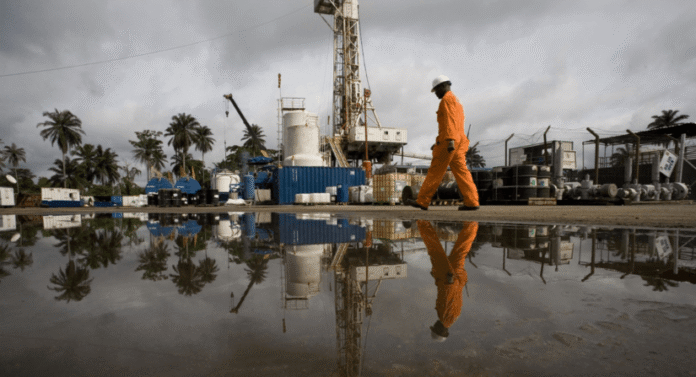
The dispute comes at a sensitive time for Niger’s oil industry, which has become increasingly important to the country’s economic prospects. The landlocked West African nation depends on a pipeline running through neighbouring Benin to transport crude from the Agadem basin to international markets.
Chinese investment has helped Niger expand production and establish an export route beyond its relatively small domestic refining industry. The pipeline has also created a new source of foreign exchange for a country facing significant development and financing challenges.
However, the relationship has experienced repeated tensions over the distribution of economic benefits. Niger’s authorities have pushed for greater local employment, stronger oversight and a larger national share of revenues generated from its natural resources.
In March 2025, the government ordered several Chinese oil executives to leave the country amid disagreements over employment practices and contractual commitments. Negotiations continued before the two sides reached their May 2026 agreement.
The latest dispute also follows an incident at the Goumeri W8 oil well in the Agadem block. Authorities reported an uncontrolled release of oil and gas in September and called for an investigation into the circumstances surrounding the incident.
The government has raised concerns about domestic refining capacity and fuel supply. Officials say the Zinder refinery has operated below its nominal capacity, adding pressure to a sector that Niger hopes will support wider economic development.
Niger’s demands reflect a broader debate across resource-producing African economies about how much value remains in the countries where oil, gas and minerals originate. Governments increasingly want foreign investment agreements to deliver employment, local procurement, tax revenue and stronger domestic industries.
However, efforts to renegotiate or enforce petroleum agreements also carry commercial risks. Prolonged disputes can delay investment decisions, complicate production planning and create uncertainty for companies financing major infrastructure projects.
Niger faces the additional challenge of maintaining stable relations with Benin, whose port facilities provide the country’s main crude export route. Previous political tensions between the neighbours have already complicated the movement of oil across their shared border.
The government has not announced immediate sanctions against the Chinese companies. Instead, the 45-day deadline gives them an opportunity to address the alleged shortcomings and demonstrate compliance with the partnership agreement.
The companies’ detailed responses to the latest accusations were not available in the reporting reviewed for this article. The allegations therefore remain claims by Niger’s authorities rather than independently established contractual violations.
The outcome could influence the future of one of West Africa’s most significant Chinese-backed energy investments. It will also test whether Niger can secure greater financial and economic benefits from oil production while maintaining the partnerships needed to develop its petroleum industry.
As the deadline approaches, attention will turn to whether the companies provide the requested financial records, meet their employment commitments and reach an agreement with the government over disputed export revenues.