


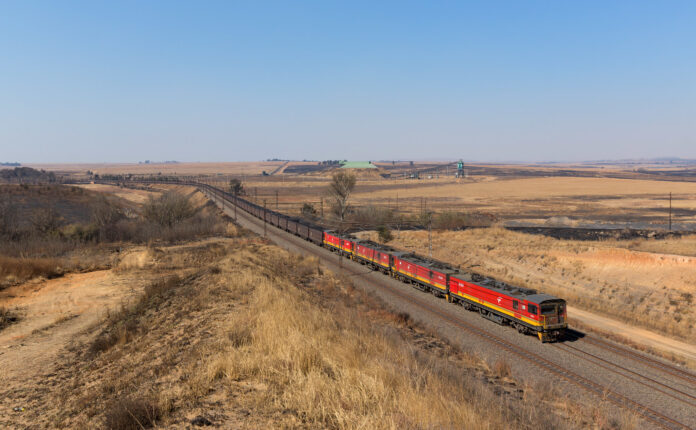
Zambia and Botswana have renewed support for the Mosetse–Kazungula–Livingstone Rail Project, a cross-border line that could become one of Southern Africa’s most important trade links. Officials from both countries met in Kasane on 1 April 2026 to review progress and push the project towards its next phase, including the bankable feasibility study.
The case for the railway is simple. Southern Africa cannot keep relying so heavily on roads to move regional trade. Freight volumes are rising. Border routes remain under strain. Transport costs are still high. A rail link between Mosetse, Kazungula and Livingstone would help address those pressures.
The planned line will stretch about 430 kilometres. Roughly 365 kilometres separate Mosetse and Kazungula in Botswana. Another 65 kilometres will connect Kazungula to Livingstone in Zambia. The project will also use the Kazungula Bridge, which already includes space for rail.
That route matters for business. Rail can move bulk cargo more cheaply and more reliably than long-haul trucking. Mining firms, agricultural exporters and logistics operators would all benefit from a stronger freight corridor. A working line would also reduce pressure on roads that already carry too much of the region’s trade. This is an inference based on the project’s stated purpose and the wider economics of freight rail.
The railway also fits into a wider regional strategy. Botswana’s planning documents link the project to the North-South Corridor and to broader efforts to improve trade flows between southern and central Africa. In other words, this is not just a Zambia-Botswana project. It is part of a larger regional logistics picture.
Progress now depends on pace. The Kasane meeting focused on clearing remaining issues, keeping study work on track and maintaining coordination between governments and railway institutions. Botswana’s latest transport planning says implementation should follow the bankable feasibility study, which makes that study the immediate test of whether momentum can hold.
For Zambia, the project would strengthen access to southern routes and improve links into the regional rail network. Botswana would gain a stronger position in transport and logistics. The wider region would get something even more valuable: a more efficient way to move trade.
That is why the MKL Rail Project matters. It is not just another proposal on paper. It is a test of whether Southern Africa can build the transport systems its trade ambitions demand. If the railway moves forward, it could cut costs, improve cargo movement and create a more balanced freight network. If it stalls, the region will keep paying for that delay on the roads, at border posts and in the cost of doing business.