


Africa faces a critical moment of global uncertainty, one that demands immediate action. The continent confronts this challenge with stronger institutions, seasoned policymakers, and a clear economic direction, more vital than ever before.
Rising energy and food prices are placing pressure on households across the world. Low-income countries remain exposed to global disruptions, and many African families are feeling the impact through higher transport costs, food prices and production expenses.
Yet Africa’s story should not be told only through the language of crisis. Over the past 25 years, Africa has faced numerous tests, from the global financial crisis and the end of the commodity boom to the pandemic and the disruption caused by the war in Ukraine. Despite each shock bringing real pressure, African countries have continually adapted, recovered, and strengthened their foundations for growth.
This is a very different Africa from the one often described through outdated comparisons with the 1980s. During that period, many African states were still young and dealing with post-independence political and economic upheaval. Weak institutions, debt crises and harsh structural adjustment programmes left governments with limited ability to protect households or support long-term development.
Today, many African economies are better managed and more prepared. Central banks have become more disciplined. Public finance systems have improved. Debt restructuring, although still difficult, is now often handled with greater order and less economic collapse than in the past.
Countries such as Ethiopia, Ghana, and Zambia have undergone painful debt restructuring, yet they are now returning to growth. Their experiences show that African economies can face difficult adjustments without losing sight of recovery, reform and long-term development.
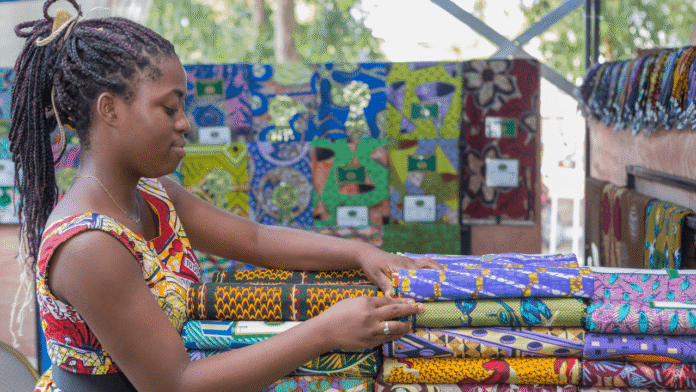
Another important shift is the growth of African enterprise. Across the continent, formal and informal businesses continue to drive trade, employment and innovation. Small traders, manufacturers, transport operators, farmers, digital entrepreneurs and service providers all form part of a growing economic engine that is often underestimated in global analysis.
Intra-African trade has also strengthened. Trade between African countries now accounts for a much larger share of the continent’s total trade than it did in the years after independence. This matters because stronger regional trade can help African economies absorb global shocks and rely more on continental markets.
The African Continental Free Trade Area adds further momentum to this shift. By creating a larger shared market, it gives African countries a platform to expand production, build regional supply chains and reduce dependence on distant markets.
Africa’s global partnerships have also become more diverse. Many countries now trade and invest beyond traditional colonial relationships. New links with Asia, the Middle East, Latin America and other emerging markets have expanded Africa’s options and reduced its exposure to single-market dependency.
This broader network gives the continent more room to manoeuvre. It allows African governments, businesses, and investors to seek new partners, negotiate better terms, and respond more flexibly as global conditions change.
Today’s energy and fertiliser price pressures require decisive intervention. Higher costs threaten transport, food production, and household spending. Governments must act swiftly and carefully to protect citizens and maintain stability.
But this challenge also highlights Africa’s opportunity. The continent has vast renewable energy potential, large areas of arable land, a young population and expanding urban markets. It also has the chance to build stronger food systems, invest in local fertiliser production, deepen regional trade and reduce exposure to imported energy and agricultural inputs.
This is where the positive story lies. Africa is not merely reacting to global shocks. It is learning from them. Each crisis strengthens the case for local production, regional value chains, renewable energy investment, stronger infrastructure, and a more ambitious industrial policy.
The role of international partners should also change. Support for Africa must recognise the continent’s progress and capacity. Multilateral institutions should focus on helping governments protect household purchasing power, stabilise currencies and support productive sectors without forcing outdated policy prescriptions that deepen hardship.
Africa does not need a return to the harsh adjustment models of the past. It needs smart, targeted support that strengthens what is already working.
The continent’s future will not be defined solely by external disruption. It will be shaped by how African countries use this moment to accelerate energy independence, expand regional trade, support farmers, strengthen local manufacturing and protect communities from the worst effects of global instability.
The pressure is real, but so is the progress. Africa has moved beyond the old narrative of permanent fragility. It is becoming a continent of stronger economic management, deeper regional connection and growing strategic importance. The world may be facing another period of uncertainty, but Africa is not standing still.
Africa is building, adjusting, and urgently positioning itself for a future in which it will not merely absorb global shocks but actively shape the next stage of global growth.