


By Siphosethu Wotshela
We are witnessing a silent conflict erupting between African countries, marked by rising diplomatic tensions. Many countries are losing confidence in each other’s policies and laws, fueling distrust across the continent.
A rising Afrophobic issue is evident among African countries, raising questions about its causes. Reporter Zimasa Vabaza from Media Maven in Johannesburg believes a third party may be influencing these tensions to make some nations appear unfavourable globally. Donald, another reporter, suggests competition is intensifying as African countries gain recognition, leading to rivalry. These differing perspectives show concerns that both external manipulation and internal competition may be driving diplomatic tensions, potentially affecting the continent’s unity.
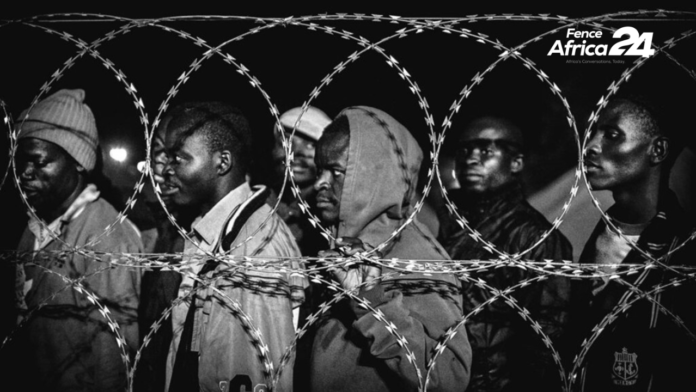
These tensions could seriously impact Africa by fostering fear, dislike, or hatred of African people, including those in the diaspora. Such outcomes risk manifesting as systemic racism, structural discrimination, or violent acts. Diplomatic strain may weaken financial and business integration among countries, further threatening continental progress.
Speaking in a television interview, Diana Games, CEO of the South Africa Nigeria Business Chamber, said the issue goes far beyond bilateral relations between Pretoria and Abuja. She said many African countries have watched repeated attacks on migrants with concern, even if Nigeria has historically been the country to respond most forcefully.
“I think it’s not just about South Africa and Nigeria relations,” Games said, noting that each recurrence deepens a perception that South Africa is unwelcoming to other Africans. That image, she argued, is becoming entrenched across the continent and is no longer seen simply as a domestic law-and-order problem.
With urgency, officials and municipalities must act to mitigate this crisis as more African countries speak out and investors closely monitor the situation. The latest episode will immediately test Africa’s ability to move from crisis management to credible strategies against anti-immigrant violence. Stronger messaging, decisive local intervention, and clear bilateral commitments are crucial now, or diplomatic and business costs will continue to escalate. My ongoing correspondence with Guy Oliver from The New Humanitarian reveals this issue has intensified since 2020, particularly in South Africa. Fear still grips children and women who have lived in the country since 2010, despite South Africa’s reputation for progressive systems—even asylum seekers’ rights and safety are now in question.