


Article by Siphosethu Mncedisi Wotshela
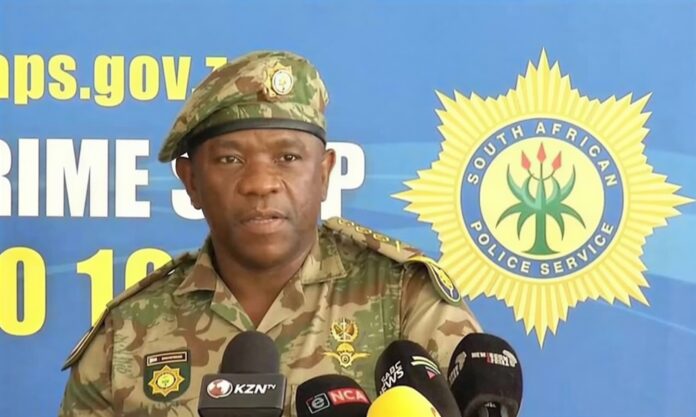
Exactly one year ago, KwaZulu-Natal Police Commissioner Lieutenant General Nhlanhla Mkhwanazi made allegations that sent shockwaves across South Africa and raised serious concerns about public safety and trust in law enforcement.
For decades, the South African Police Service (SAPS) badge has symbolised protection, justice and the principle that the law stands above criminality. Many South Africans have viewed the police service as a cornerstone of public safety and a key institution in maintaining order within communities. However, one year later, that confidence remains under significant strain.
When Mkhwanazi addressed the media on July 6 last year, he did more than raise allegations of corruption. His claims sparked one of the most serious crises of confidence in South Africa’s democratic era. He accused senior police officials of corruption, political interference and allowing organised crime to infiltrate the country’s law enforcement structures.
While authorities continue to investigate the allegations and judicial proceedings unfold, these claims have become a defining symbol of the challenges facing SAPS. The fallout has been swift and unprecedented.
In response to the allegations, President Cyril Ramaphosa established the Madlanga Commission of Inquiry to investigate claims of corruption, criminal infiltration, procurement irregularities and political interference within the police service.
Over the past year, authorities have suspended, dismissed, or arrested several senior police officials, and others have resigned as investigations expanded.
The inquiry has also heard allegations relating to the so-called “Big Five” cartel, which allegedly infiltrated sections of South Africa’s security structures.
During testimony before the commission, witnesses claimed that the cartel established links with members of SAPS and municipal police departments. These relationships enabled manipulation of investigations and undermined efforts to pursue justice.
The commission has played a key role in examining allegations against individuals entrusted with protecting the public. Investigators have since required several officials to answer allegations of corruption and misconduct.
Authorities have also indicated that they may make further arrests. One of the latest developments involves four senior municipal officials facing charges of fraud, corruption and defeating the ends of justice in connection with the Ekurhuleni blue lights case.
National Prosecuting Authority spokesperson Kaizer Kganyago confirmed that the accused face charges of fraud and corruption, particularly involving promotions and appointments within the municipality.
“We hope this matter will be finalised as soon as possible because we do not want unnecessary delays from our side,” Kganyago said, while praising the Commission Recommendations Task Team for its prosecution-guided investigation.
As the commission continues its work, many South Africans remain concerned about the extent of corruption within institutions responsible for public safety and security.
The commission initially planned to submit its final report within a set timeframe. However, investigators later requested an extension to further examine the allegations and evidence.
On July 9, the Presidency announced that it had granted the commission additional time to complete its work. The final report is now due to President Ramaphosa no later than November 16 this year.
The Presidency also commended the commission for its efforts to investigate and expose corruption allegations affecting South Africa’s security structures.
As the country awaits the commission’s final findings, many South Africans continue to seek answers about the integrity of institutions responsible for protecting the nation and upholding the rule of law.