
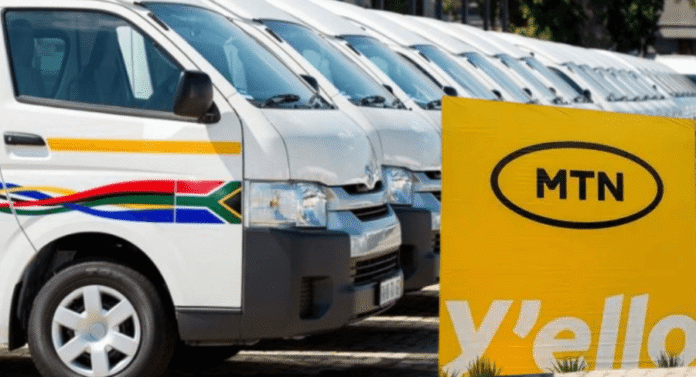
CAPE TOWN, South Africa – South Africa’s minibus taxi industry is becoming a new frontier for digital financial services as telecommunications company MTN partners with the South African National Taxi Council (SANTACO) in the Western Cape. The agreement aims to bring mobile money and digital business services closer to taxi operators, drivers and informal traders, creating new income opportunities within one of the country’s most important transport sectors.
Announced on 21 October, the MTN–SANTACO partnership brings together MTN South Africa, its mobile money platform MTN MoMo and SANTACO Western Cape. The initiative seeks to expand financial inclusion by using established taxi industry networks to distribute telecommunications products and financial services.
Under the agreement, SANTACO Western Cape will become an MTN enterprise content partner, business prepaid partner and MoMo agent. These arrangements will allow the organisation to distribute selected services while developing additional revenue opportunities for businesses connected to the transport industry.
The partnership comes as telecommunications companies increasingly look beyond traditional mobile services to participate in Africa’s growing digital economy. Mobile money platforms have become important channels for payments, transfers and other financial transactions, particularly among consumers and businesses seeking alternatives to conventional banking.
South Africa’s minibus taxi industry provides an extensive network through which these services could reach communities. Taxi ranks are not simply transport hubs. They support informal businesses, including food vendors, retail traders, vehicle maintenance providers and other enterprises that depend on daily commuter activity.
Despite their economic contribution, many small businesses operating around taxi ranks still rely heavily on cash. This can make it difficult to maintain transaction records, manage payments and access financial products suited to their commercial activities.
MTN’s partnership seeks to address some of these barriers by bringing digital financial services into an established commercial environment. Participating operators and businesses could gain additional opportunities to distribute prepaid products, facilitate mobile money transactions and earn income through agency services.
MTN MoMo allows customers to store, send and receive money using mobile phones without requiring a traditional bank account. Its services include transfers, cash deposits and withdrawals through agents, prepaid purchases and payments to participating merchants.
The platform also supports transactions through basic mobile phones, an important feature for consumers who may not own smartphones. This accessibility could help extend digital financial services to a wider range of businesses and communities.
However, the agreement does not establish a nationwide cashless taxi fare system. Its confirmed scope centres on distribution, mobile money agency services and opportunities for digital participation within SANTACO’s Western Cape operations.
The distinction matters because introducing digital services into South Africa’s taxi industry involves more than providing payment technology. Operators and commuters must consider transaction costs, reliability, security and the practical requirements of daily transport.
Cash remains central to many informal businesses because it is familiar, immediately available and does not depend on digital infrastructure. Any wider shift towards electronic transactions will therefore require affordable services that work consistently and meet the needs of both businesses and customers.
Beyond payments, greater access to digital financial services could help small enterprises strengthen their financial records. More consistent transaction information may support business planning and improve their ability to demonstrate commercial activity when seeking financing.
These potential benefits will depend on how the MTN–SANTACO partnership develops and whether participating businesses adopt the services available to them.
The initiative also reflects a wider shift in Africa’s telecommunications industry. Mobile network operators increasingly see financial services as an opportunity to deepen customer relationships and expand beyond voice and data products.
Across the continent, mobile money has helped individuals and businesses transfer funds, pay suppliers and conduct transactions without relying entirely on conventional bank branches. Its growth has also encouraged cooperation between telecommunications companies, financial institutions and local business networks.
South Africa presents a distinctive market. Although the country has a well-developed banking sector, cash continues to play an important role in informal commerce. This creates opportunities for financial services designed around businesses that may not benefit fully from traditional banking products.
The taxi industry offers access to a particularly important segment of that economy. Its operators connect residential communities with workplaces, schools and commercial centres, while surrounding businesses depend on the movement of passengers.
By establishing a partnership with SANTACO Western Cape, MTN could reach customers through networks they already use and recognise. The arrangement may also provide participating businesses with additional sources of income beyond their existing transport-related activities.
Nevertheless, financial inclusion requires more than access to technology. Consumers must understand how services work, what transactions cost and how their money is protected. Providers must also maintain reliable systems and respond effectively to fraud and other financial risks.
These considerations are relevant across Africa, where informal transport systems support millions of commuters and small businesses. Similar partnerships could help expand digital financial services in markets where transport operators and traders remain heavily dependent on cash.
The opportunity extends beyond South Africa’s borders. As African economies seek stronger connections between informal businesses and formal financial systems, telecommunications networks could become increasingly important distribution channels.
However, the benefits will depend on practical implementation rather than the announcement of partnerships alone. Affordable transactions, accessible technology and sustainable income opportunities will determine whether digital financial services deliver meaningful improvements.
The MTN–SANTACO partnership represents another step in bringing South Africa’s transport economy into the digital financial landscape. Its success will be measured by the opportunities it creates for taxi operators, drivers, informal traders and the communities that depend on them.
Across Africa, the wider challenge remains ensuring that digital innovation reaches businesses operating beyond established financial networks. Partnerships that connect technology with everyday economic activity could help narrow that gap while supporting the continent’s growing digital economy.