


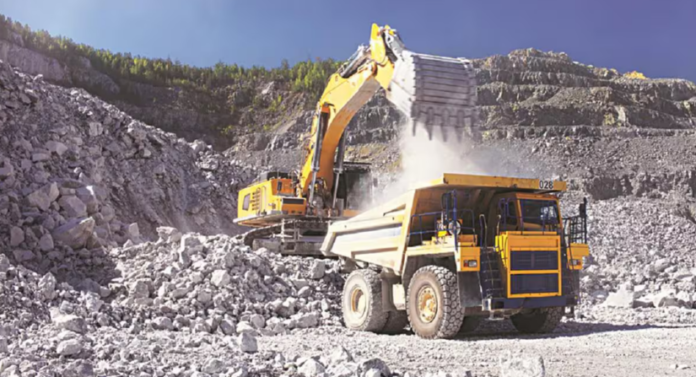
Namibia is pushing for more of its minerals to be processed at home as competition grows between China and Europe for access to the country’s uranium and other critical resources.
The southern African country has become increasingly important to global supply chains because of its uranium production and deposits of lithium and rare earths. These materials are used in industries ranging from clean energy and electric vehicles to advanced manufacturing.
China already has a significant presence in Namibia’s mining sector. Chinese-backed companies have interests in some of the country’s biggest uranium operations, including the Husab and Rössing mines.
European countries are also looking to strengthen their access to Namibia’s minerals as they try to diversify supply chains and reduce their reliance on a small number of producers.
Namibia sees an opportunity in that competition. Rather than remaining mainly an exporter of raw materials, the government wants investment to support processing, infrastructure and skills development inside the country.
That approach reflects a wider shift among African mineral producers. Governments are under growing pressure to ensure that rising demand for critical minerals creates more jobs and industrial activity at home.
Namibia has already taken steps to encourage local value addition. The challenge will be attracting enough investment to make processing commercially viable.
Mining and mineral processing require large amounts of electricity and water, both of which present challenges in one of Africa’s driest countries. New processing plants would also need reliable transport links and a skilled workforce.
Namibia’s renewable energy potential could help address some of those constraints. The country has attracted billions of dollars in proposed green hydrogen projects because of its strong solar and wind resources.
Transport infrastructure is another advantage. The Port of Walvis Bay gives Namibia access to Atlantic shipping routes and serves markets beyond its borders. Road and rail corridors connect the port with Botswana, Zambia and other parts of Southern Africa.
That network could become more valuable as mining expands across the region. Zambia is seeking to sharply increase copper production, while Botswana is looking beyond diamonds towards a more diversified minerals sector.
More regional production will create greater demand for efficient routes to international markets, putting Namibia in a position to benefit from minerals mined both at home and elsewhere in Southern Africa.
Global competition for those resources is also changing how African governments negotiate with investors.
China has built a strong position across the continent through years of investment in mines and infrastructure. Europe and other Western economies are now seeking closer partnerships with mineral-producing countries as critical resources become more important to energy and industrial policy.
For Namibia, the question is how much of that international interest can translate into investment beyond extraction.
Processing more minerals locally would allow the country to capture a greater share of their value before export. It could also support new industries and create skilled employment, although the economics of each project will determine how far that ambition can go.
Namibia will also need to balance new investment with environmental pressures. Water scarcity remains a major concern, while expanding mining and processing will increase demand for energy.
The country nevertheless enters the critical minerals race with several advantages. It has established mines, access to the Atlantic and growing international interest in its renewable energy potential.
What Namibia wants now is a different relationship with the companies and countries competing for its resources. The aim is no longer simply to extract more minerals for export, but to use growing global demand to build more of the industry around them at home.