
HARARE, Zimbabwe: The latest Zimbabwe IMF review has confirmed progress in economic stability as annual inflation for the local currency fell to 3.7% in September. However, the International Monetary Fund (IMF) warned that social spending delays and unresolved debt remain significant challenges.
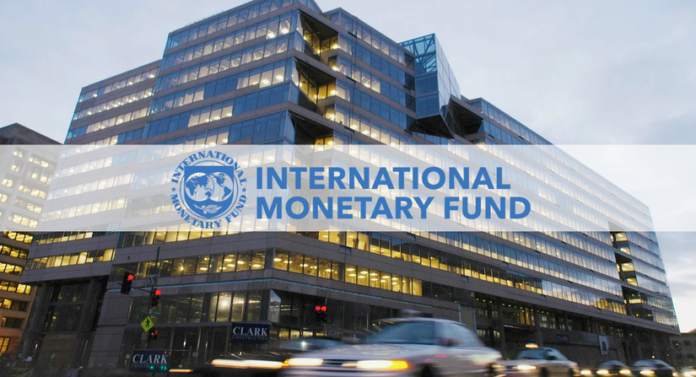
The IMF approved the second review of Zimbabwe’s Staff-Monitored Programme on 7 October 2026. Its assessment covered economic performance through June and confirmed that authorities met all quantitative targets and structural benchmarks. However, spending on protected social and priority programmes fell below the agreed target.
Zimbabwe’s annual inflation rate for its local currency, Zimbabwe Gold (ZiG), declined to 3.7% in September. The IMF also reported a broadly stable exchange rate, stronger government revenue and continued economic growth during the first half of the year.
The Fund expects Zimbabwe’s economy to grow by 5% in 2026, supported by mineral exports, favourable commodity prices and remittances. Growth could slow to 3.5% in 2027 as an anticipated El Niño-related drought threatens agricultural production.
The latest assessment marks another step in Zimbabwe’s efforts to rebuild confidence in its economy. Years of currency instability, high inflation and limited access to international financing have weakened investment and business confidence.
Zimbabwe entered the 10-month Staff-Monitored Programme earlier this year to strengthen fiscal discipline, monetary policy and economic governance. The arrangement allows IMF staff to assess the government’s reforms but does not provide financial assistance.
Progress under the programme is important as Zimbabwe seeks to resolve longstanding external debt arrears and restore relations with international creditors. Those arrears continue to restrict access to financing from major multilateral institutions.
Despite the positive Zimbabwe IMF review, the Fund raised concerns about delays in delivering resources to vulnerable households and priority public services. It urged authorities to improve budget execution and ensure that approved social spending reaches intended beneficiaries.
The IMF also called for stronger oversight of state-owned enterprises, including the Mutapa Investment Fund. It recommended continued reforms to improve transparency in the foreign exchange market. Better financial reporting and tighter borrowing controls could help reduce risks to public finances.
Zimbabwe’s improving economic indicators could strengthen investor confidence if the government maintains currency stability and consistent policies. However, resolving the country’s debt challenges will remain essential to restoring wider access to international capital.
The IMF’s latest review therefore offers Zimbabwe a positive assessment of its economic stabilisation efforts, but not a declaration that its difficulties are over. The next test will be whether lower inflation, stronger public finances and continued reforms translate into productive investment, reliable public services and improved economic conditions for Zimbabweans.