


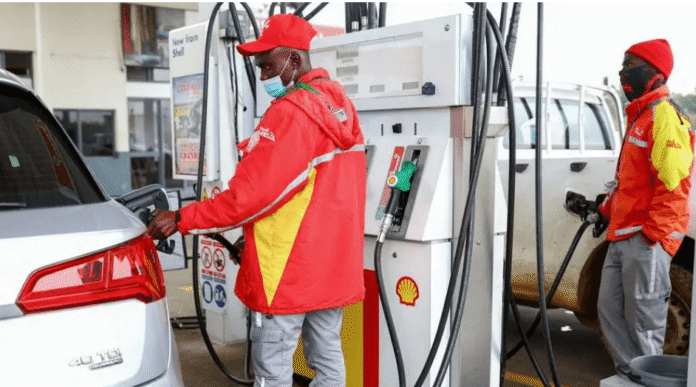
South African motorists will pay significantly less for fuel from midnight on 1 July 2026. The Department of Mineral and Petroleum Resources announced substantial reductions across most fuel grades.
Motorists will see substantial savings at the pump from 1 July. Petrol 93 (ULP and LRP) will decrease by R2.01 per litre, while Petrol 95 (ULP and LRP) will fall by R1.96 per litre. Diesel users will benefit even more, with the price of Diesel 0.05% sulphur dropping by R3.14 per litre and Diesel 0.005% sulphur declining by R3.59 per litre. The price of illuminating paraffin will decrease by R5.23 per litre, although LPGas will increase slightly by 16 cents per kilogram nationally and by 19 cents per kilogram in the Western Cape.
The latest adjustment follows a decline in global oil prices. Brent crude fell from an average of US$104.59 per barrel to US$86.53 during the review period.
Market conditions also improved. Supply concerns eased and international petroleum product prices moved lower. These factors offset the impact of the reinstated fuel levy and created room for lower pump prices.
The diesel price reduction is expected to benefit the transport and logistics sectors. Freight operators rely heavily on diesel to move goods across the country. Lower fuel costs could reduce operating expenses and improve margins for transport companies.
The savings may also filter through to consumers. Transport costs influence the price of food, building materials and many other goods. Cheaper diesel could help ease some of these costs over time.
Private motorists are also expected to benefit. Many households spend a significant portion of their income on commuting. The latest fuel price adjustment should provide some relief.
Businesses that operate vehicle fleets are likely to see lower running costs. Delivery companies and ride-hailing operators could also benefit from the reductions.
Fuel prices remain linked to international oil markets and exchange rate movements. Future adjustments will depend on developments in both areas. For now, motorists and businesses can expect lower fuel bills as the second half of the year begins.