


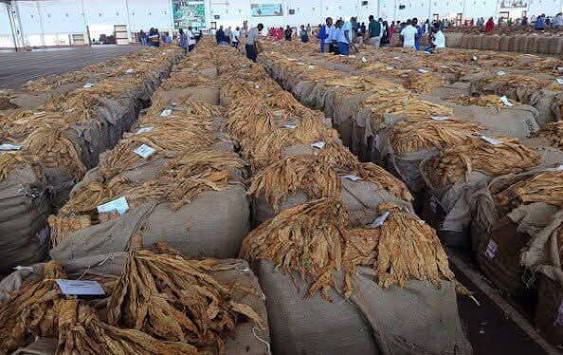
LILONGWE, MALAWI – Malawi’s tobacco earnings have fallen sharply during the 2026 marketing season, putting pressure on farmers and one of the country’s most important sources of foreign currency.
The country generated US$282.5 million from 142.4 million kilogrammes of tobacco sold during the first 19 weeks of trading, according to figures from the Tobacco Commission. That compares with US$500.4 million from 197.2 million kilogrammes during the same period last year.
Average prices also weakened. Tobacco sold for an average US$1.98 per kilogramme, down from US$2.54 during the comparable period in 2025.
The decline means Malawi earned about US$218 million less than it had at the same stage last year. Both lower sales volumes and weaker prices contributed to the fall, increasing pressure on growers already facing high production costs.
Tobacco remains a major source of foreign exchange for Malawi and an important income stream for farming communities. A weaker season therefore carries consequences beyond agriculture, particularly for an economy that needs foreign currency to finance imports.
Farmers have raised concerns about prices throughout the season. The government had earlier pledged to protect growers from tobacco being sold below production costs, while industry officials have pointed to subdued international demand and global supply conditions.
Production expectations have also changed considerably. Malawi initially projected a 2026 crop of about 197 million kilogrammes against buyer demand of 170 million kilogrammes. Later estimates reduced expected production to around 155 million kilogrammes.
Contract farming has dominated this year’s market, accounting for more than 93% of tobacco sold. Burley, Malawi’s main tobacco variety, represented nearly 89% of sales and fetched an average US$1.90 per kilogramme.
The difficult season adds urgency to Malawi’s long-running effort to diversify agricultural exports and reduce its exposure to fluctuations in tobacco demand.
Agriculture remains central to that transition. Expanding commercial production of crops such as soybeans, groundnuts and rice could provide additional export earnings, but developing alternatives at the scale of tobacco will require investment in irrigation, processing, markets and agricultural infrastructure.
Malawi’s Tobacco Commission has announced that all four tobacco markets will close on September 10 after 21 weeks of trading. Most of this year’s crop has already reached the market.
Final figures will determine the full scale of the decline. However, the performance recorded so far highlights the economic risk of depending heavily on a commodity whose prices and international demand can change significantly from one season to the next.