


Ethiopia is recording one of Africa’s fastest tourism recoveries as international visitors return to its ancient landmarks, dramatic landscapes and expanding luxury destinations.
Nearly 1.2 million foreign tourists visited the East African country between July 2025 and April 2026, according to Ethiopia’s Ministry of Tourism. The figure represents a 15% rise compared with the previous period. UN Tourism identified the increase as the strongest tourism growth recorded in Africa during that period.
The recovery comes despite continuing security concerns in parts of the country. Some well-known destinations remain difficult or unsafe to reach because of political tension and armed conflict. Ethiopia offers a tourism experience that differs from many destinations on the continent.
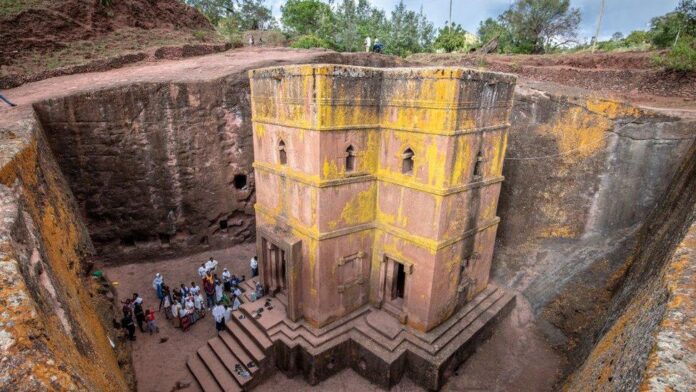
Travellers visit the rock-hewn churches of Lalibela, the ancient ruins of Aksum and the historic castles of Gondar. Others travel to the Simien Mountains, the Danakil Depression or the active Erta Ale volcano.
Erta Ale, in Ethiopia’s northeastern Afar region, contains one of the world’s few long-lasting lava lakes. Its remote volcanic landscape attracts adventure travellers despite the difficult journey.
The country also has a rich religious and cultural history stretching back thousands of years. Its heritage sites, archaeological discoveries and diverse communities have helped it build a distinctive place within Africa’s tourism market. Ethiopia’s tourism sector suffered heavily during the COVID-19 pandemic.
The conflict in the northern Tigray region created further disruption between 2020 and 2022. International safety concerns reduced visitor numbers, while fighting restricted access to several important historical destinations.
The peace agreement signed in November 2022 ended the main conflict between the federal government and Tigrayan forces. However, political divisions and fears of renewed violence have not disappeared.
Recent tensions have again affected movement and economic activity in Tigray. Tour operators and residents in the region have reported a sharp decline in visitors amid fears that conflict could return. Parts of the Amhara region have also experienced insecurity, limiting access to some northern tourism routes.
Prime Minister Abiy Ahmed’s government has identified tourism as one of the main sectors that could help diversify Ethiopia’s economy.
Authorities have invested in public parks, museums, hotels, roads and new visitor attractions. They have also promoted the country internationally as a cultural, nature and adventure destination.
The government’s tourism development strategy includes projects built through its “Dine for Generation” programme. The initiative seeks to develop resorts and leisure destinations that can attract higher-spending international tourists.
Ethiopia reported more than 1.4 million foreign visitors during its 2025–26 financial year. The government said tourism and related activities generated more than $5.2 billion in foreign-exchange earnings.
Those figures show the growing economic importance of international travel at a time when Ethiopia is seeking new sources of investment, employment and foreign currency.
Addis Ababa Strengthens Its Position as a Gateway
Ethiopia benefits from its role as one of Africa’s largest aviation hubs. Addis Ababa is home to Ethiopian Airlines, which connects the country with destinations across Africa, Europe, Asia, the Middle East and the Americas.
Many international passengers already pass through Bole International Airport while travelling elsewhere. Tourism officials want more of these transit passengers to extend their stay and explore Ethiopia.
The capital has also expanded its attractions. New parks, museums, conference facilities and hospitality developments have added to its traditional role as Africa’s diplomatic centre.
Addis Ababa hosts the headquarters of the African Union and the United Nations Economic Commission for Africa. This brings a steady flow of diplomats, business travelers and conference delegates into the city. The increase in visitor numbers has generated optimism, but analysts have urged caution when interpreting the figures.
Official tourism totals can sometimes include business travellers, people visiting relatives and passengers who enter the country for reasons other than holidays.
Tourism growth may also be uneven. Some destinations near Addis Ababa and in relatively stable regions are benefiting, while operators in conflict-affected areas continue to struggle.
The country must also improve roads, accommodation, visitor services and access to reliable information if it wants tourism growth to reach communities beyond major cities and selected resorts.
Ethiopia’s tourism potential is closely linked to peace and political stability.
Foreign governments continue to advise travellers against visiting several parts of the country. Conflict, road closures and sudden changes in local security conditions can disrupt travel plans.
These warnings do not apply equally across Ethiopia. Many destinations remain open and continue to receive visitors. However, uncertainty can affect the country’s overall reputation and discourage tourists who are unfamiliar with its geography.
Tour operators must often explain which regions are accessible and help visitors plan routes that avoid areas affected by violence. Ethiopia has the history, landscapes and cultural depth needed to become one of Africa’s leading destinations.
Tourism could create jobs for tour guides, hotel workers, craftspeople, transport providers and rural communities. It could also bring new investment into regions that have limited economic opportunities. However, visitor growth alone will not guarantee a successful tourism industry.
The country will need to protect its heritage, improve infrastructure and ensure that local communities share in the economic benefits. Above all, it will need lasting peace. Ethiopia’s recent tourism figures show that international interest is returning. Whether the revival continues will depend on the country’s ability to turn that interest into a safe, inclusive and sustainable visitor economy.