


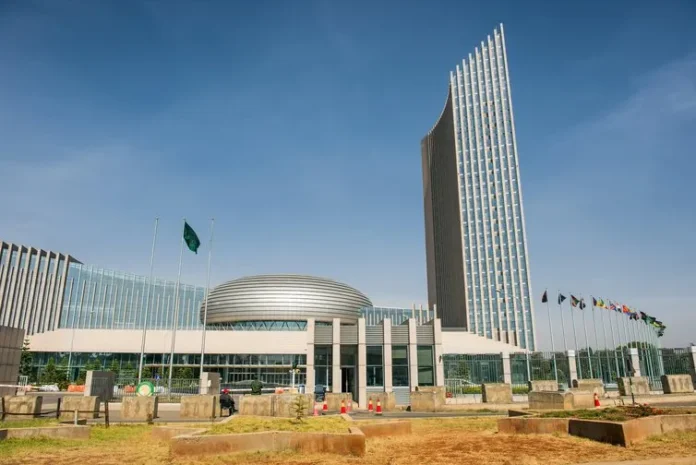
The African Union has agreed to broaden discussions on migration after growing calls from member states to address the issue through a coordinated continental framework rather than isolated national responses.
The decision follows renewed diplomatic engagement between several African governments over migration, border management and the protection of foreign nationals. It also comes amid increasing concern about anti-migrant violence, irregular migration and pressure on public services in parts of the continent.
South Africa welcomed the decision to hold a wider African Union discussion, saying migration affects every region and requires solutions that balance national security, economic development and the free movement of people. Ghana had earlier called for concerns over xenophobic violence to be placed before the African Union, prompting broader consultations among member states.
Migration has become one of Africa’s most sensitive policy issues. Conflict, climate change, economic inequality and demographic growth continue to drive movement within and between African countries. At the same time, many governments face domestic pressure to strengthen border controls while protecting the rights of migrants and refugees.
The African Union has long promoted greater regional integration through initiatives such as the African Continental Free Trade Area (AfCFTA) and the Protocol on Free Movement of Persons. While several countries have signed these agreements, implementation has progressed unevenly, with many governments citing security and economic concerns.
Recent incidents involving attacks on foreign nationals have intensified calls for a coordinated response. Governments have condemned violence targeting migrants while recognising that unmanaged migration can place additional pressure on housing, healthcare, education and employment in host communities.
Diplomats involved in the latest discussions say the African Union wants to move beyond crisis management by developing practical policies that improve cooperation between member states. Areas under discussion include border management, labour migration, legal documentation, information sharing and stronger protection for vulnerable migrants.
The debate also reflects the changing nature of migration across Africa. Many people no longer move solely because of conflict. Increasing numbers relocate in search of employment, education, business opportunities or climate resilience. As African economies become more interconnected, governments face growing pressure to modernise migration policies without undermining national sovereignty.
Economists note that migration also contributes significantly to economic growth. Skilled workers help fill labour shortages, entrepreneurs establish new businesses and diaspora communities generate billions of dollars in remittances each year. According to the African Development Bank and other international institutions, remittances remain one of the continent’s most important sources of external financial flows.
At the same time, poorly managed migration can fuel political tension when communities believe public services or employment opportunities are under strain. Several governments have therefore argued that migration policy should address both humanitarian obligations and domestic socio-economic realities.
The African Union has indicated that future discussions will seek practical recommendations rather than broad political declarations. Member states are expected to examine how regional economic communities, immigration authorities and law enforcement agencies can strengthen cooperation while respecting international human rights obligations.
Policy experts say success will depend on whether governments can develop common standards for documentation, information sharing and legal migration pathways. Greater cooperation could also help combat human trafficking, migrant smuggling and transnational organised crime, which often exploit weak border coordination.
The discussions are expected to continue over the coming months as member states prepare recommendations for consideration by African Union institutions.
Migration is no longer simply a border issue. It has become a development, security and governance challenge that affects every region of Africa.
The African Union’s decision to expand the conversation reflects growing recognition that no single country can manage modern migration alone. Population growth, economic integration and climate pressures mean movement across borders is likely to increase in the coming decades.
The challenge for African governments will be to develop policies that protect national interests while preserving the principles of regional cooperation and human dignity. Achieving that balance could shape not only migration policy but also the future of African integration itself.