
Gaborone, Botswana – Botswana has announced plans to double its ownership in global diamond producer De Beers from 15% to 30%, positioning the Southern African nation to become the company’s largest single shareholder. The proposed investment marks a major shift in the ownership of one of the world’s most influential diamond businesses and could strengthen Africa’s control over its mineral wealth.
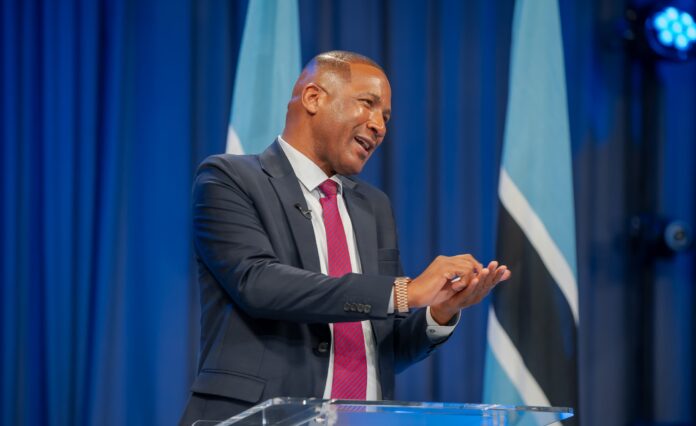
President Duma Boko confirmed the decision during his State of the Nation Address in Gaborone on Monday, 9 November 2026. His government has endorsed the Global Diamond Consortium as the preferred buyer of Anglo American’s 85% shareholding in De Beers, paving the way for a potential restructuring of the diamond giant’s ownership.
Botswana’s increased stake will depend on the successful completion of the transaction, which remains under negotiation. Anglo American and the consortium have yet to finalise binding agreements, while the financial arrangements surrounding Botswana’s additional investment have not been publicly disclosed.
Boko said the proposed ownership structure would give Botswana greater influence over decisions affecting the diamond industry. The country has maintained a longstanding commercial relationship with De Beers, making the proposed increase particularly significant for its economic future.
“Botswana will become the single largest shareholder in De Beers,” Boko told Parliament, describing the move as an opportunity to secure a stronger voice in the company’s long-term strategy.
The government selected the Global Diamond Consortium after assessing proposals for Anglo American’s stake. Led by former De Beers chief executive Gareth Penny, the consortium brings together investors with experience across the international diamond industry.
Botswana’s support is critical because the government already owns 15% of De Beers and holds a right of first refusal over Anglo American’s shareholding. Its endorsement therefore removes an important obstacle to negotiations, although it does not guarantee that the acquisition will be completed.
Anglo American began plans to dispose of its De Beers interest in 2024 as part of a wider corporate restructuring. The mining group has increasingly focused on commodities such as copper while reassessing its exposure to diamonds, whose market performance has weakened in recent years.
The proposed sale comes during a difficult period for the natural diamond industry. Falling prices, weaker demand from major luxury markets and growing competition from laboratory-grown diamonds have placed pressure on producers, traders and retailers.
Botswana has been particularly exposed to these changes because diamonds remain central to its export earnings and government revenue. Declining diamond sales have weighed heavily on economic activity, highlighting the risks associated with dependence on a single commodity.
Despite these challenges, the government believes deeper ownership of De Beers could provide an opportunity to influence the industry’s future. Greater participation in strategic decisions may allow Botswana to pursue stronger commercial returns while supporting investment in mining, processing and other activities linked to diamond production.
The country already works closely with De Beers through Debswana, the equally owned mining joint venture responsible for some of the world’s most important diamond operations. That partnership has played a central role in Botswana’s development since independence, generating export revenue and supporting public investment.
However, ownership of diamond production and influence over the wider international market are not the same. De Beers operates across several parts of the diamond value chain, including mining, sorting, sales, marketing and technology. Increasing Botswana’s stake could therefore expand its participation in decisions beyond the extraction of diamonds from its own territory.
The proposed transaction also has wider implications for Southern Africa. Boko announced that Namibia and Angola would participate in the ownership restructuring, raising the prospect of greater cooperation among some of the continent’s leading diamond-producing countries.
Both countries have established diamond industries and maintain important relationships with international mining companies. Their potential involvement could create a stronger regional presence within De Beers, although the proposed shareholding arrangements and financial commitments have not been finalised.
The Botswana president presented this development as an opportunity for African producers to influence how their mineral resources are marketed and developed internationally. Greater coordination could also encourage discussions about local processing, skills development and keeping more value within producing economies.
Such ambitions reflect a broader debate across Africa over the ownership and beneficiation of natural resources. Governments are increasingly seeking opportunities to move beyond exporting raw materials and capture a larger share of the income generated through processing, manufacturing and international trade.
Botswana’s investment strategy extends beyond natural diamonds. Boko has also highlighted De Beers’ technology operations, including Element Six, which develops advanced synthetic diamond materials for industrial applications.
These materials have uses beyond jewellery, including precision manufacturing, electronics and specialised technologies. Exposure to such businesses could offer Botswana opportunities to participate in emerging industries while diversifying its investment interests.
However, the proposed acquisition carries financial and commercial risks. De Beers faces structural challenges as consumer preferences change and laboratory-grown diamonds compete with natural stones. A larger ownership position would increase Botswana’s exposure to the company’s future performance at a time when the country’s public finances are already under pressure.
The government will also need to demonstrate how the investment can deliver long-term value without placing excessive strain on national resources. Ownership alone does not guarantee higher revenues, stronger diamond prices or greater employment.
The proposed transaction has nevertheless attracted international attention because of its potential to alter the relationship between African mineral producers and the global companies that have historically dominated resource extraction and marketing.
If completed, Botswana’s 30% shareholding would place the country at the centre of decisions affecting De Beers’ future. Participation by Namibia and Angola could further strengthen the influence of African diamond-producing nations within the company.
The immediate focus now shifts to negotiations between Anglo American, the Global Diamond Consortium and the participating governments. The final ownership structure, purchase terms and timetable remain important outstanding questions.
Botswana’s announcement represents a significant step towards greater African participation in one of the continent’s most valuable mineral industries. Whether that ambition translates into lasting economic gains will depend on the final agreement, the recovery of natural diamond demand and the country’s ability to convert its larger ownership stake into broader national development.