


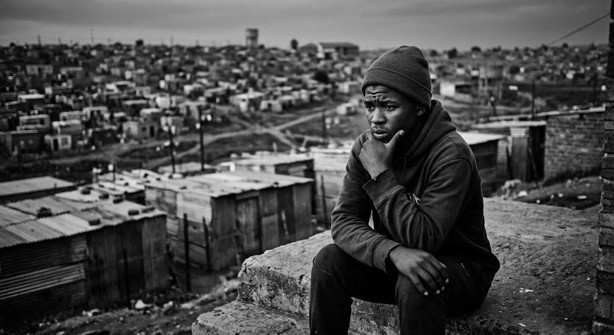
South Africa is once again shining a light on all the wrong issues. South Africa has some of the highest rates of sexual abuse, murder, and suicide in the world. Clearly, something is deeply wrong. Many point to our apartheid history as a cause, and that is possible. But no single, simple answer explains the crisis of systemic violence and anger.
Why Do We Feel Violence Will Solve Everything?
Many people blame cultural norms, claiming the Zulus are inherently violent. Yet I know many Zulus who abhor violence. Others blame a specific political family that seems to appear whenever problems arise, even if they are just in-laws. But this is a simplistic answer to a complex problem.
Unpacking the Issues We Face
Many South Africans believe foreign nationals are the main source of drugs and human trafficking. Most of these foreigners come here seeking a better life, often fleeing persecution or war. This hatred usually targets people of the same skin colour, ignoring Middle Eastern and Western expats living here.
Calls to remove “illegal immigrants” are also based on a lie. Vigilante groups indiscriminately force even those with valid visas to leave their homes and businesses.
So, what is the real reason? My gut feeling is that it is twofold. Bear with me as I process this issue. Firstly, there is a clear political motive.
The ruling revolutionary party has so thoroughly embarrassed itself to date. It has taken the most efficient, most powerful country in Africa and destroyed its infrastructure. I covered this in a previous article, talking about how the victims of the 1976 uprising are the very ones now bleeding all over the nation as they sit in Parliament.
If they can, much like the architects of the Rwandan tragedy, make a specific group of people the “evil ones” who are destroying the economy and stealing jobs, then it detracts from their blindingly obvious failures. Chairman Mao and Joseph Stalin used the exact same strategies.
The reality is that South Africans are not that easily fooled. They realise the liberation war was won long ago, and that a government which has done little but steal for the past 30 years has nothing left to offer anyone.
The Foot Soldiers and the Father Wound
These are broken young men and women with no proper employment and zero job security. Hunger and anger drive them to align with anyone offering vague promises. Desperate times breed desperate measures.
Most wounded people have not learned the firm values a father figure traditionally provides. With fatherlessness at about 68% in South Africa, few young people are anchored by good values. Sadly, even churches that should teach these principles often prioritise profit over spiritual growth.
Generally, those who do not learn firm values at home will look for a cause that will impose external values on them. This is the massive, devastating result of the breakdown of the family unit.
I once read in a parenting magazine that children need three distinct pillars to be stable and grow up safely.
Children need security: a home, clothes, protection, support, and a safe place to grow. They also need sustenance: food, education, mental nourishment, and knowledge.
They need love: hugs, kisses, encouragement, and someone who genuinely believes in them.
The core idea was that if a child lacks even one of these three pillars at home, they will seek it elsewhere.
This is precisely why boys join gangs, frequent drug dens, and enter criminal syndicates. It gives them a temporary sense of family and belonging.
I see movements like Operation Dudula being very similar to this, driven by charismatic leaders who pitch a plausible but ultimately senseless ideal. Sadly, these leaders create a space where the broken can meet with others who are broken, suddenly feeling empowered and part of a “family.”
But that family bond is tested when someone gets arrested and jailed. When the “mother of the movement” does not bail them out, they realise they are alone. Like a drug lord’s runner, they were only there to take the fall.
Flawed Ideals
The main reasons these misguided leaders give for starting their movements usually come down to a handful of familiar arguments.
Some South Africans accuse foreign nationals of placing strain on already overstretched schools, hospitals and clinics. They argue that migrants compete with locals for scarce jobs and often blame them for the rise in drug trafficking and human trafficking across parts of the country.
Let’s look at each of these honestly. Our public services face massive strain because leaders have not used the billions of rands meant to upgrade, maintain, and repair infrastructure. Instead, billions have been looted from our health systems through illegal tenders.
That widespread corruption has absolutely nothing to do with foreigners. When it comes to unemployment, the jobs are there for those willing to work. I met a man from the DRC who showed me his papers and qualifications. He was a qualified engineer. What was he doing to pay his bills? Digging trenches.
I have met qualified doctors who came here for a better life and now do secretarial work just to survive. Few South Africans would willingly do that.
This entitlement is the direct result of the empty promises made by the ruling party. For decades, people were told everyone would get free schooling, free water and free electricity. None of it has been delivered.
Graduates leave university with massive debts to repay as soon as they find work. Paradoxically, many avoid the formal job market to escape repaying their NSFAS (National Student Financial Aid Scheme) loans.
Furthermore, when you ask business owners why they are often more willing to employ foreign nationals than locals, the answer is almost always the same: the work ethic is entirely different.
Blaming the Wrong Targets
We also have the embarrassment of corruption inquiries playing out daily in South Africa. Look at the shocking testimonies emerging from our state capture and police investigative commissions.
Recently, a colonel in the Hawks, one of the foremost elite police units in the country, was caught stealing 514 kilograms of confiscated cocaine right out of storage.
How on earth can we blame international syndicates for dealing drugs when the explicit proof shows that the very people paid to stop the drug trade are making millions off it?
Vigilante leaders claim the police do nothing to stop these crimes. They have a point, but this is not the fault of foreign nationals. The blame lies with the ruling party and its allies, who have broken down the police services so they cannot catch even the clumsiest criminals.
When the leaders of the land are implicated on a global scale, we find ourselves recognised internationally as a mafia state, the ultimate gangster state.
If that is the precedent our leadership sets, then guess what sort of elements we will attract? It is no wonder that some of the world’s most wanted international mobsters have been found living large in Cape Town.
Don’t Blame the Foreigners
Many of these people have literally walked all the way from their countries of origin just to seek a safe, better life here in South Africa. How profoundly disillusioned they must be.
When I grew up in the 70s and 80s, we were raised with a firm hand. Perhaps a return to the foundational discipline of those years is a viable option to restore our society. Beyond that, we desperately need to learn to respect ourselves first, and then others.
Chasing people out of the country who are actively trying to build businesses and employ South Africans is not a wise choice. Using them to excuse a lack of personal drive or to pardon the blatant failures of our political leaders is a mistake we cannot afford in a country that already suffers from one of the highest unemployment rates in the world.
As a great Prophet once said:
“Love your neighbour as yourself.”