


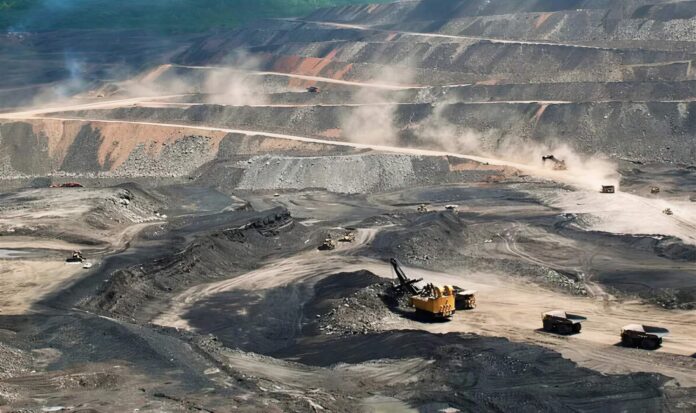
Malawi is poised to join Africa’s rare earth-producing countries after Lindian Resources, listed in Australia, secured A$100 million to accelerate development of the Kangankunde Rare Earths Project, a key critical minerals asset.
Announced in early April, the funding provides significant momentum. Lindian says the capital will fully fund Stage 1 construction and advance studies for a larger second phase. As a result, the company aims to begin concentrate production in the fourth quarter of 2026.
The project’s significance lies in the deposit itself. Kangankunde is widely recognised as one of the world’s most promising undeveloped rare earth sites. Moreover, if the timeline is met, Malawi will enter a supply chain central to the global demand for electric vehicles, wind turbines, and advanced electronics.
Rare earths have become strategic materials. Indeed, countries capable of producing them are gaining outsized importance as the world pursues cleaner energy systems and seeks to diversify supply chains away from a handful of dominant producers.
This development carries particular weight for Malawi, which has not traditionally been a leading player in Africa’s mining sector. Nevertheless, Kangankunde now positions the country as a serious participant in discussions on critical minerals, industrial relevance, and global manufacturing.
Lindian’s strategy extends well beyond extraction. Rather than stopping at the mine gate, the company plans to process concentrate into mixed rare earth carbonate at the Sareco facility in Kazakhstan. In doing so, it moves into a higher-value segment of the supply chain.
This shift is important for Africa, which has often exported strategic resources without benefiting from higher-value processing. Projects like Kangankunde indicate a growing effort to change this dynamic.
Malawi is not acting alone. In parallel, the Songwe Hill rare earth project has also progressed this year. Mkango Resources updated its feasibility studies and, notably, received recognition under the European Union Critical Raw Materials Act. Together, these developments highlight Malawi’s growing prominence in the global competition for strategic minerals.
This timing is no accident. It reflects urgent efforts by governments and manufacturers to secure alternative rare earth supplies. With rising demand and heavily concentrated supply, new projects outside established production networks are consequently attracting intense interest from investors, industrial buyers, and policymakers.
Lindian says the new capital will enable Kangankunde to proceed without project debt. This, in turn, reduces execution risk as the project advances toward production. Furthermore, it strengthens Malawi’s opportunity to convert mineral potential into sustained industrial growth.
Significant challenges remain. While securing capital is an important milestone, production, offtake agreements, infrastructure, and long-term value creation are the true tests. Even so, the path forward is now clearer than it has ever been. Malawi is no longer on the periphery of the critical minerals sector. Instead, it is actively shaping its place within it.