


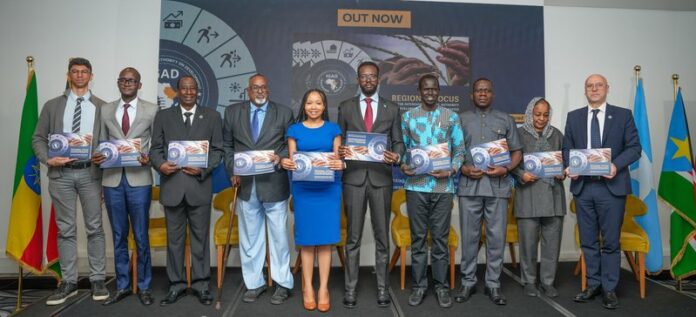
More than 40.3 million people across six IGAD member states are facing high levels of acute food insecurity in 2026, with conflict, climate shocks, high food prices and reduced humanitarian funding worsening conditions for vulnerable communities.
The figure, representing 34 per cent of the population analysed, covers Djibouti, Kenya, Somalia, South Sudan, Sudan and Uganda, according to the IGAD Regional Focus of the 2026 Global Report on Food Crises released on September 24 in Nairobi, Kenya.
Although the regional figure has declined from 43.3 million in 2025, food crises have worsened in Djibouti, Kenya, Somalia and South Sudan. Improvements in Sudan and Uganda contributed to the overall reduction.
Sudan remains the region’s largest food crisis, with 19.5 million people facing acute food insecurity between February and May 2026. South Sudan recorded the highest proportion of its population affected, at 55 per cent, between April and July.
More than 10 million people across the six countries faced Emergency levels of food insecurity, or IPC Phase 4, while more than 208,000 people in Sudan and South Sudan experienced Catastrophe levels, or IPC Phase 5, during the assessment periods. The report also identifies a risk of Famine in parts of Sudan, South Sudan and Somalia.
The crisis is being compounded by displacement. By the end of July, an estimated 19 million people were forcibly displaced across the six countries, including nearly 14.5 million internally displaced people and 4.5 million refugees and asylum seekers.
More than nine million children aged six to 59 months also require treatment for acute malnutrition across the region, including 2.3 million suffering from severe acute malnutrition.
In Uganda, the regional assessment comes as the government seeks to strengthen the resilience of food systems against climate-related shocks. The country has launched a three-year initiative focusing on land tenure security, livestock value chains, index-based livestock insurance and climate-land information systems.
Lands, Housing and Urban Development Minister Judith Nabakooba said secure land rights are essential to building resilient food systems because they can encourage long-term investment, sustainable land management and climate-smart practices among farmers and livestock keepers.
The initiative was launched in Entebbe on August 6 with support from the United Nations Economic Commission for Africa, the African Union, IGAD and other partners.
Uganda continues to face serious food-security pressures, particularly in Karamoja, where about 673,000 people are experiencing Crisis levels of acute food insecurity or worse between August and October 2026, according to the regional assessment.
IGAD Executive Secretary Dr Workneh Gebeyehu has called for a shift from responding to food crises after they emerge to using forecasts to trigger early financing and action.
He also urged greater investment in resilient agri-food systems, livelihoods and markets, alongside stronger regional cooperation, noting that food insecurity crosses borders through people, livestock, pests and prices.