


JOHANNESBURG, South Africa – South Africa faces potential job losses in agriculture and manufacturing after the United States announced plans to withdraw its duty-free trade benefits from January 2027. The decision has prompted fresh efforts to protect exporters and expand trade with other markets.
Washington announced on 2 November that South Africa and Rwanda would lose eligibility under the African Growth and Opportunity Act (AGOA). The programme allows qualifying African products to enter the US without ordinary import duties.
US Trade Representative Jamieson Greer cited concerns over trade barriers, corruption and American foreign policy interests. South Africa has challenged Washington’s position and says it remains committed to negotiations.
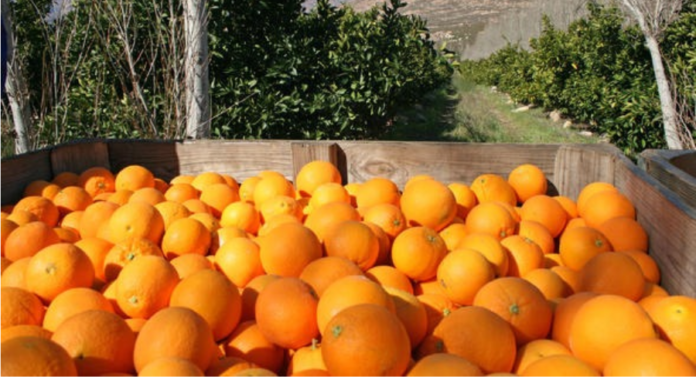
The decision could affect citrus growers, wine producers and manufacturers that depend on preferential access to American buyers. Exporters fear higher tariffs will reduce their competitiveness and put pressure on employment.
According to South Africa’s Department of Trade, Industry and Competition, AGOA exports reached approximately US$1.7 billion in 2025. This represented about 10% of the country’s exports to the United States, down from 28% in 2024.
However, the withdrawal does not mean South African products will be banned from the American market. Most exports already enter under ordinary trade arrangements, although affected goods could face additional duties.
The Citrus Growers’ Association has warned that producers in the Western and Northern Cape face particular risks. Some orchards were developed specifically for American customers, making it difficult to redirect shipments immediately.
Trade union federation Cosatu estimates that between 3,000 and 10,000 jobs could be at risk. These are projections rather than confirmed losses, and the final impact will depend on tariffs and business responses.
Economists expect a relatively limited effect on South Africa’s overall economy. However, individual businesses and export-dependent communities could face greater disruption.
Trade Minister Parks Tau says the government will continue engaging Washington while supporting affected industries. Authorities are also pursuing opportunities through the African Continental Free Trade Area, Southern African markets, India, China and Europe.
The strategy reflects South Africa’s growing need to diversify its export destinations without abandoning established international partnerships.
The African Continental Free Trade Area could create opportunities for manufacturers and agricultural exporters seeking new customers. However, businesses must still overcome transport costs, regulatory differences and infrastructure constraints.
South Africa’s trade relationship with the United States remains significant. Bilateral trade reached US$28.8 billion in 2025, while more than 600 American companies operate in South Africa.
The government says these commercial ties provide a foundation for continued cooperation despite the AGOA dispute.
The coming weeks will test whether diplomatic engagement can preserve preferential access before the January deadline. Exporters will meanwhile assess their exposure and explore alternative markets.
South Africa’s challenge is to protect existing jobs while building a more diversified export economy. The outcome could also influence how other African countries approach trade negotiations and regional market development.