


Luxury travel is no longer what it used to be. It has changed into something much more meaningful.
Of course, luxury travel still involves exclusivity, luxurious comfort, personalised service and enhanced privacy. Well-heeled travellers still want to fly first or business class. They still want five-star accommodation and excellent service.
But they also want much more than that. For Africa to compete on the world stage, we must provide it.
More travellers are coming to Africa than ever before. UNWTO’s World Tourism Barometer shows that 81 million international visitors arrived in Africa in 2025. This was an 8% increase on the 2024 total. It also exceeded pre-pandemic traveller numbers by 16%.
courtesy of Wilderness)
World Tourism Barometer data also shows that tourism contributed 6.8% of African GDP in 2023. This was up from 5.9% the previous year. The sector also accounts for millions of jobs across the continent.
According to Market Data Forecast’s 2025 Africa Travel Market Report, the continent’s travel sector was worth just over US$25.7 billion in 2024. The report projects steady growth of around 5% per annum through to 2034.
High-end safari tourism is expanding even more rapidly. Grand View Research estimated that Southern Africa’s safari tourism segment was worth US$13.2 billion in 2024. It also predicted that this could more than double by 2033, at a compound annual growth rate of 9.4%.
That is a spectacular growth projection. It cannot be explained simply by the rising number of people who can afford luxury travel. So, what is driving this promise?
Several exciting trends are coming to the fore in the luxury travel sector.
Hyper-personalisation: More travellers expect highly customised journeys. They do not want pro forma itineraries with predictable, been-there destinations and done-that activities. They want to shape their own one-of-a-kind travel experience. They also want to come back with stories to tell.
Purposeful, slow travel: There is a shift from rushed sightseeing to slower, more immersive experiences. Travellers want to connect with local cultures and the environment. It is about quality, not quantity.
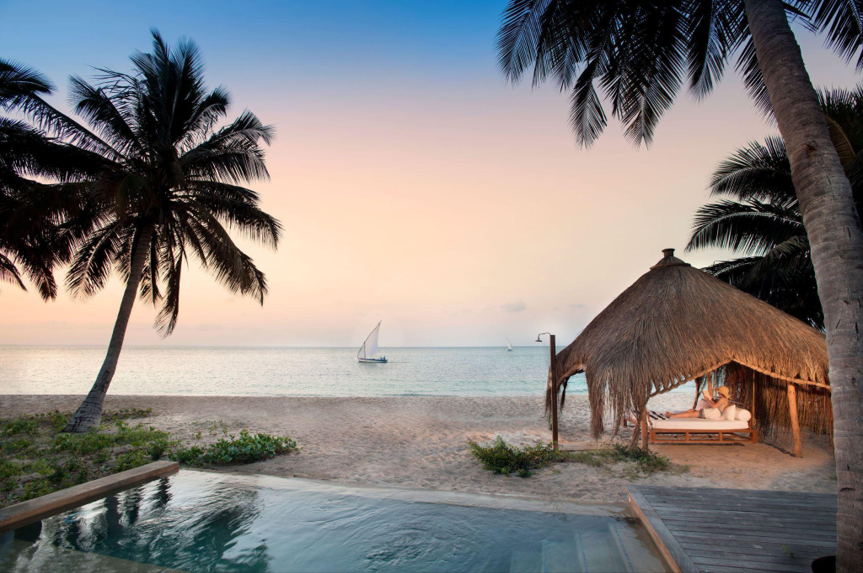
Holistic wellness: Wellness is no longer just a spa amenity. It is becoming a core travel motivator. Luxury travellers want journeys that promote health, happiness and longevity.
Sustainable, ethical luxury: Affluent travellers are prioritising eco-conscious resorts and biophilic design. They also want destinations that support environmental and cultural preservation. They want to add value to the communities they encounter. They can do this by staying in sustainable accommodation, supporting job creation and joining social or environmental projects.
Exclusive access and hidden gems: Demand is growing for lesser-known destinations and private access. Travellers want to avoid crowds. They also want access to renowned sites, cultural experiences and performances.
In short, luxury travellers are seeking memorable, one-of-a-kind experiences. They do not just want to say they went on a five-star trip to a famous place. They want vivid stories about a singular, off-the-beaten-track adventure. They want the kind of experience not everyone gets to enjoy, even other luxury travellers.
The travel brand we launched recently, Your Africa, is geared toward exactly this segment. It aligns with these trends by providing international tourists with memorable, one-of-a-kind experiences. We believe Africa has great potential for luxury travel growth.
As tourist arrivals across the continent surpass pre-COVID levels, African countries are improving infrastructure. They are also promoting traditional drawcards such as safaris, beach destinations and cultural heritage. At the same time, they are embracing these important niche trends.
The continent offers endless possibilities for once-in-a-lifetime travel experiences. These are the kinds of experiences luxury travellers hanker after.
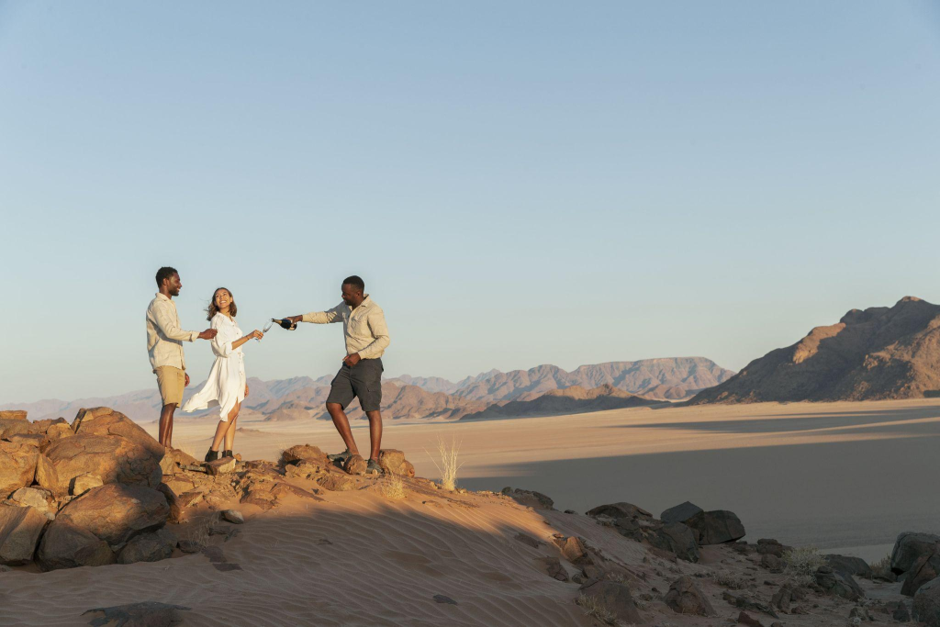
For example, imagine astro-tourism in Namibia’s southern Namib Desert. It boasts some of the darkest places in the world. It is perfect for lying back and being blown away by the Milky Way, which cannot be fully viewed in the Northern Hemisphere.
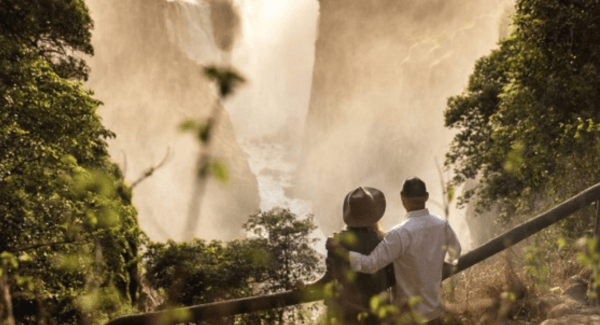
Or imagine swimming on the edge of the awe-inspiring Victoria Falls. Picture sleeping out in the open on Botswana’s vast Makgadikgadi Pans. Think of being completely integrated into nature on a walking safari in Zambia. Or taking part in turtle conservation in Kenya, Mozambique and South Africa. Virtually nowhere else in the world are these kinds of activities even possible.
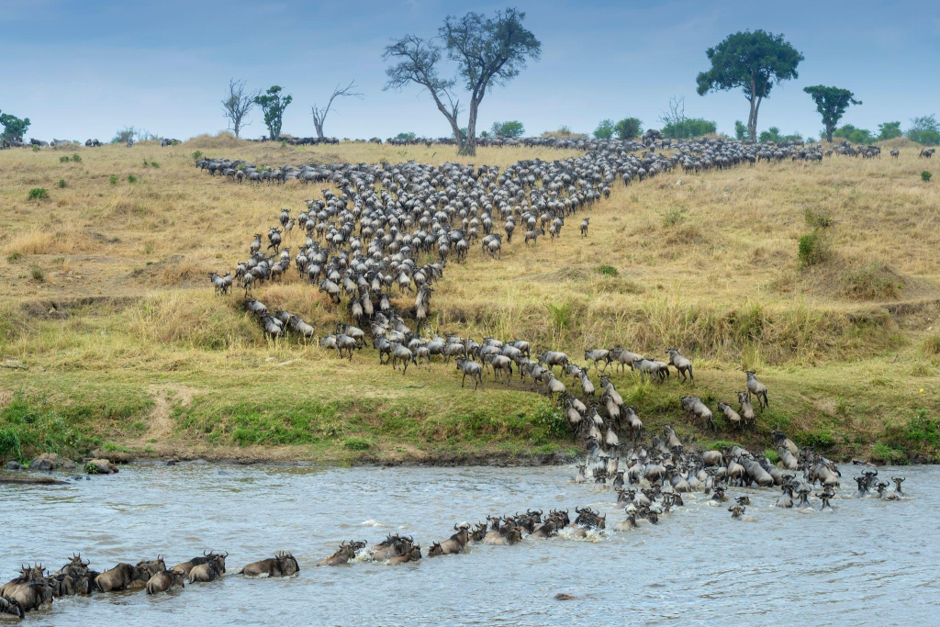
And this is not to even speak of Africa’s more famous, but equally fabulous, experiences. These include Big Five game viewing, the Great Migration, and encounters with rare species such as the dugong and the African wild dog. They also include tropical beaches in the Seychelles, Mauritius and Mozambique’s Bazaruto Archipelago.
While mature markets such as Europe struggle with overtourism, some also face anti-visitor pushback from local populations. African destinations have fewer such issues. Instead, tourism is widely seen as a driver of job creation, economic growth and development.
Conflict previously affected travel in some parts of the continent. However, it does not stand in the way of travel in Africa in the same way it currently does in the Middle East or parts of Eastern Europe.
The jewel in the crown of African tourism is, of course, luxury travel. It generates a significantly higher average spend per visitor than normal tourism. Its high-value, low-impact nature also allows destinations to gain maximum benefit with minimal downside.
However, providing travellers with the authentic African adventures they crave requires deep knowledge of Africa. Anyone can Google things to do in Africa. But knowing what is truly special, rare and precious takes real expertise. It also requires indigenous knowledge.
That is the difference between selling an African itinerary and curating a personal, unforgettable African story.
The trends tell us that luxury travellers no longer want standard itineraries. They want meaningful journeys, rare access and stories they will remember. Africa can offer exactly that.