


AFRICA — African countries are increasingly turning to Asian refiners for diesel as conflict and shipping disruption in the Middle East reshape the continent’s fuel supply routes.
Asia, including India, is expected to ship between 1.8 million and 2 million tonnes of diesel to Africa in August, equivalent to about 13.4 million to 14.9 million barrels. The volumes would mark at least a four-and-a-half-year high as diesel shipments from the Middle East, traditionally one of Africa’s biggest sources of refined fuel, fall sharply.
Middle Eastern exports to Africa are estimated at between 600,000 and 800,000 tonnes in August, their lowest level in almost nine years. The shift highlights Africa’s exposure to disruption in global energy markets, with diesel remaining essential to road transport, agriculture, mining, construction, manufacturing and back-up power generation across many economies.
Conflict involving the United States and Iran has disrupted established Middle Eastern fuel flows. Shipping risks around the Strait of Hormuz have added pressure, while Houthi activity in the Red Sea has affected another critical route through the Bab el-Mandeb Strait.
Saudi Arabia has been particularly important to African fuel supplies. Around half of Africa’s diesel imports came from the Middle East last year, according to shipping analytics firm Kpler, with Saudi Arabia accounting for about 40% of those Middle Eastern volumes.
That supply relationship is now under pressure, with Saudi Aramco’s Jazan refinery shipping no diesel to Africa in August, according to Kpler data, compared with 163,000 tonnes in July. Lower refinery activity at some Saudi facilities has further reduced available exports, creating opportunities for suppliers elsewhere.
Asian refiners are moving quickly to fill the gap. India has emerged as an important alternative supplier, while recovering refinery production and renewed exports from China have increased the amount of diesel available from Asia.
Market conditions have also made the African trade more attractive. The price difference between Asian and western diesel markets widened during August, creating stronger incentives for traders to move cargoes west. Asian diesel refining margins averaged about $66 a barrel during the month, up from $61 in July.
East Africa could become particularly dependent on alternative supplies if disruption around the Red Sea continues. The Bab el-Mandeb Strait, which separates Yemen from the Horn of Africa, is one of the world’s most important maritime chokepoints, connecting shipping between the Indian Ocean and the Suez Canal.
Persistent security threats can force tankers onto longer journeys or restrict available supplies, increasing transport costs and complicating delivery schedules. Those pressures can eventually reach African businesses and consumers through higher logistics and fuel costs.
Africa’s changing diesel supply chain also exposes a wider structural vulnerability. Many countries on the continent produce crude oil but continue to depend heavily on imported refined petroleum products because domestic refining capacity remains limited or unreliable.
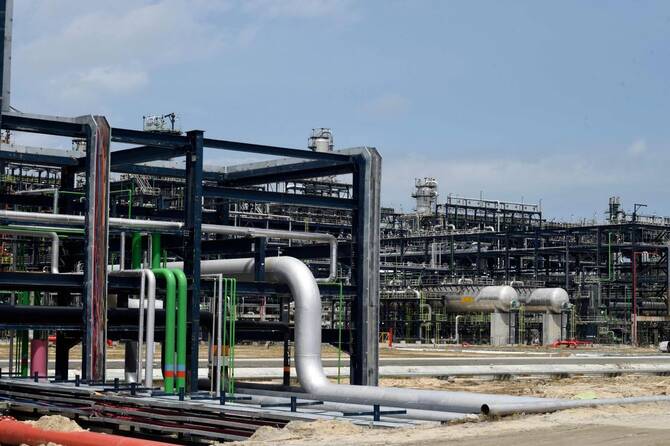
Nigeria has started changing that equation through the massive Dangote refinery near Lagos, while several other African governments are pursuing refinery upgrades and new fuel-processing capacity. Much of the continent, however, remains exposed to decisions made by overseas refiners and disruptions along international shipping routes.
The consequences extend beyond fuel markets because diesel powers trucks transporting food and consumer goods between cities and across borders. Mines, farms and construction companies also depend heavily on the fuel, while businesses in countries with unreliable electricity supplies often use diesel generators to maintain operations.
Higher fuel and freight costs can therefore spread through an economy, increasing logistics expenses and putting pressure on food prices, transport fares and consumer inflation. Countries that depend heavily on imported petroleum products are particularly exposed when international supply disruptions coincide with weaker local currencies.
The wider global energy market remains unsettled, with oil prices elevated during the conflict and diesel facing particularly strong supply pressure. Disruptions to Middle Eastern exports and constraints elsewhere in the global refining system have increased competition for available cargoes.
African buyers have so far found alternative supplies, and the rapid rise in Asian shipments demonstrates how quickly global fuel markets can redirect trade when established routes face disruption. It also shows how rapidly Africa’s energy relationships can change when geopolitical tensions interfere with traditional supply networks.
Asia’s longer-term role in Africa’s diesel market will depend partly on the recovery of Middle Eastern refineries and security around the Strait of Hormuz and Red Sea shipping routes. Continued disruption could keep India and other Asian refiners at the centre of the continent’s fuel supply chain.
The shift also raises a broader question about Africa’s energy security. Expanding reliable refining capacity, diversifying suppliers and strengthening domestic energy systems could reduce exposure to future shocks as geopolitical tensions continue to reshape global fuel trade.