


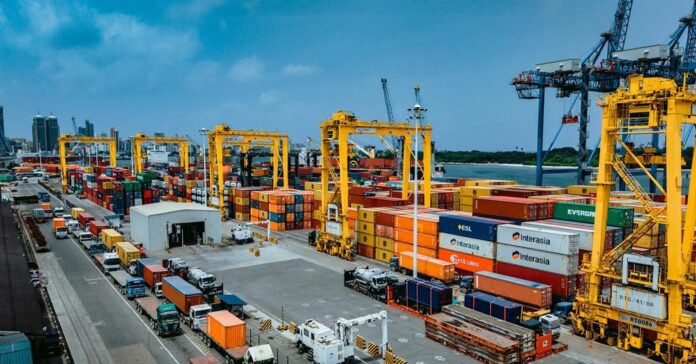
LAGOS, Nigeria – Africa faced an estimated trade finance shortfall of between $74 billion and $92 billion in 2024. The funding gap continues to restrict businesses seeking to trade across borders while creating opportunities for fintech companies to develop new financial infrastructure.
The African Development Bank’s latest Trade Finance Report shows that commercial banks intermediated an average of only 23% of Africa’s trade between 2020 and 2024. That compares with about 40% between 2011 and 2019, highlighting persistent difficulties in financing continental commerce.
Foreign currency shortages have become another major obstacle. About 36% of African banks identified limited foreign-exchange liquidity as their main constraint to expanding trade finance. That proportion has doubled from levels recorded before the COVID-19 pandemic.
The shortage can affect businesses across the trade chain. Importers, manufacturers and logistics companies need foreign currency to pay international suppliers. Delays in accessing those currencies can disrupt shipments, increase costs and make African companies less competitive.
Ahead of GITEX Nigeria, scheduled from 31 August to 3 September in Abuja and Lagos, attention is turning towards financial technology as part of the solution. Fintech companies are increasingly targeting cross-border payments, foreign-exchange access and international settlement.
Industry leaders argue that fragmented financial infrastructure remains a significant obstacle. Many African businesses can receive and move money domestically but face greater difficulty when paying suppliers or customers across borders.
Improving that infrastructure has become more important as the African Continental Free Trade Area seeks to expand commerce between African economies. AfCFTA aims to create a more integrated market, but businesses still need affordable finance and efficient payment systems to take advantage of lower trade barriers.
Small and medium-sized businesses face particularly severe financing constraints. AfDB research identifies SMEs among those hardest hit by unmet trade finance demand, limiting their ability to participate fully in regional and international markets.
Cross-border payment infrastructure could address another part of the problem. Africa has dozens of currencies, while many transactions have historically relied on foreign currencies and correspondent banks outside the continent. This can increase costs and extend settlement times.
The Pan-African Payment and Settlement System is one initiative designed to change that structure. Developed by Afreximbank in partnership with the African Union and AfCFTA Secretariat, PAPSS enables participating institutions to process cross-border payments in African currencies.
Greater integration between banks, fintech companies and payment platforms could make regional transactions faster and more efficient. It could also reduce dependence on foreign reserve currencies for eligible intra-African payments.
Fintech alone cannot close Africa’s trade finance gap. Banks, development finance institutions and private investors still need to provide the capital required to finance transactions. Regulators must also support innovation while maintaining safeguards around cybersecurity, compliance and financial stability.
Africa’s fragmented regulatory landscape adds another challenge. Financial technology companies operating across several countries can face different licensing, data and financial rules in each market. Greater coordination could make it easier for successful platforms to expand across borders.
Yet the scale of unmet demand creates a significant commercial opportunity. Financial institutions that combine access to capital with efficient payments, foreign exchange and digital infrastructure could become increasingly important as African trade expands.
AfCFTA has established an ambitious framework for a more connected continental market. Turning that ambition into everyday commerce will depend partly on whether African businesses can secure finance and move money across borders efficiently.
Africa’s trade finance gap therefore represents more than a banking challenge. Closing it could help smaller businesses enter regional supply chains, strengthen intra-African commerce and allow the continent to capture more value from its growing role in global trade.