


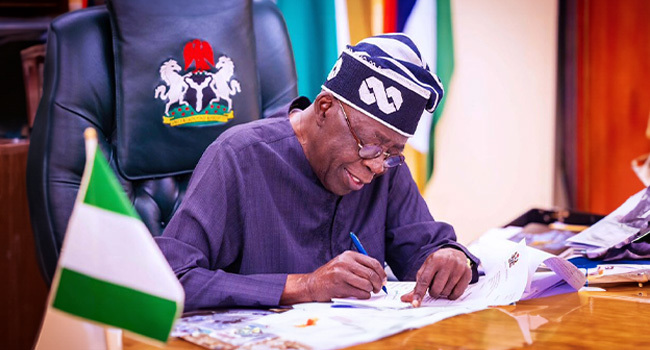
Nigeria has introduced a new framework for deep-water oil and gas projects as President Bola Tinubu’s government seeks to attract up to $50 billion in offshore investment.
Approved this week, the measures aim to make large offshore developments more commercially attractive and provide greater certainty for energy companies considering long-term investments in the country.
Nigeria holds significant offshore oil and gas resources, but several projects have faced years of delays. High development costs, regulatory uncertainty and changing investment priorities among international energy companies have affected decisions on new projects.
Abuja now wants to reverse that trend and bring more offshore developments towards final investment decisions. Government officials expect the framework to improve the economics of deep-water projects while creating clearer conditions for investors.
Up to 22 offshore projects could form part of the emerging investment pipeline, with industry estimates putting potential spending at around $50 billion over the coming years.
Such investment would provide a major boost to Nigeria’s energy sector at a time when the country is working to increase production and strengthen government revenues.
Oil remains an important source of export earnings for Africa’s most populous economy. Yet Nigeria has struggled to translate its large reserves into consistent production growth, with ageing infrastructure and years of underinvestment adding to challenges across the industry.
Offshore production has become increasingly important in that environment.
Deep-water developments generally face fewer of the security and pipeline problems associated with operations in parts of the Niger Delta. They also require billions of dollars in upfront capital, making predictable fiscal and regulatory conditions important to investors.
International energy companies including Shell, TotalEnergies and Chevron continue to hold significant interests in Nigeria’s offshore sector.
Several global producers have reduced their exposure to mature onshore assets in recent years while retaining or expanding interests in deep water. That shift has allowed Nigerian companies to acquire more onshore operations while international groups concentrate capital on larger offshore developments.
Nigeria’s challenge is convincing those companies that new projects can compete for investment against opportunities elsewhere in the world.
Capital for oil and gas developments has become more selective as companies balance shareholder returns, energy security and the longer-term global transition towards lower-carbon energy.
Nigeria must therefore offer commercially attractive projects while ensuring that investment also delivers benefits to the domestic economy.
New offshore developments could create opportunities for Nigerian engineering companies, logistics providers and other businesses supporting the energy industry. Greater production would also strengthen export capacity and potentially increase government revenue.
Gas is expected to play an important role in that strategy. Nigeria holds some of Africa’s largest natural gas reserves and wants to expand its use for domestic electricity, industrial development and exports.
Investment decisions will ultimately determine whether the new framework achieves its ambitions. Regulatory changes can improve the investment environment, but offshore projects still require years of planning, financing and construction before production begins.
Competition will also remain strong as energy companies assess projects across Africa, Latin America, the Middle East and other major producing regions.
Nigeria nevertheless has an advantage in its established petroleum industry, existing offshore discoveries and access to international markets.
Tinubu’s government is betting that greater regulatory certainty can turn those advantages into new investment.
If the targeted $50 billion materialises, the impact could extend beyond higher oil production. Offshore projects could bring new infrastructure, contracts for local companies and additional foreign capital into Nigeria’s economy.
Success will depend on how quickly proposed developments move from investment plans to operating projects.
Nigeria has no shortage of offshore resources. Its bigger task is convincing investors that developing them is once again worth the capital.