


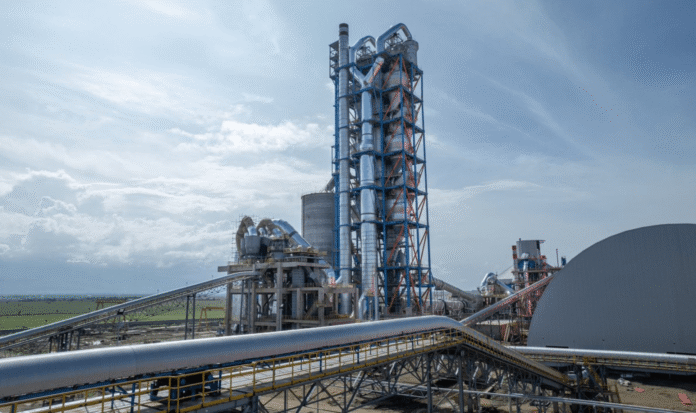
Uganda has moved closer to self-sufficiency in cement production with the commissioning of the new $300 million Yaobai clinker factory in Nadunget, Moroto District. President Yoweri Kaguta Museveni officially opened the facility on 24 April 2026. The factory features a 6,000-ton-per-day clinker line. Project developers and the Chinese Embassy describe it as the largest in East Africa.
Museveni said the investment will reduce Uganda’s reliance on imported clinker, which costs the country $260 million annually. He noted Uganda loses up to 85 per cent of its cement production, which will cut costs and boost Uganda’s industry. Museveni warned against taxing clinker, calling it an intermediate product that should remain tax-exempt for at least ten years, per government policy.
The President highlighted Karamoja’s mineral potential. The region holds over 67 million tons of confirmed limestone reserves. There are an estimated 108 million tons in total. He urged investors to take advantage of these resources.
The Chinese Embassy in Uganda described the plant as a strong example of China-Uganda cooperation. The statement highlighted industry and innovation. The embassy said the facility uses advanced global technology. The project marks progress in capacity building and value addition for Uganda’s cement sector.
The commissioning was attended by the former Prime Minister of Ethiopia, H.E Hailemariam Desalegn, now chair of the Alliance for a Green Revolution in Africa.
Energy Minister Ruth Nankabirwa called the project a milestone under Uganda’s Vision 2040 and NDP IV plans. She noted Uganda’s cement industry has grown from two to five producers. This expansion strengthens self-sufficiency in a sector critical for roads, schools, and housing.
The Uganda Bureau of Statistics reports that cement production in Uganda rose from 3.07 million tonnes in 2019 to over 5 million tonnes by 2023. Despite this progress during the 2019–2023 period, Uganda still depends on imported clinker. The new factory aims to close that gap.