


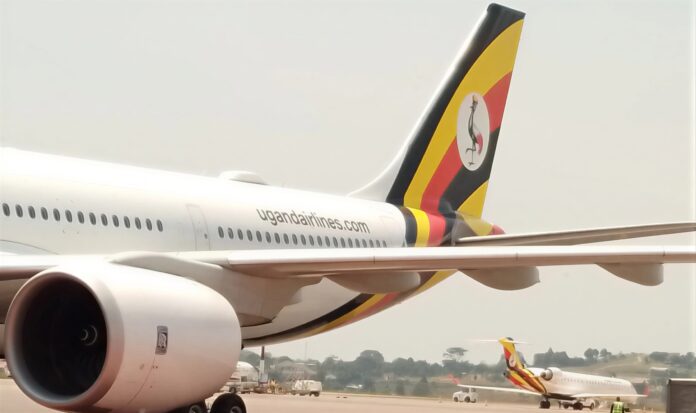
The Ugandan government has approved new borrowing to fund Uganda Airlines’ purchase of 10 aircraft, aiming to stabilise operations and support long-haul growth.
Officials authorised borrowing 422.26 billion Ugandan shillings (about $113 million) to bolster the national carrier after months of strain from too few aircraft.
Recent aircraft shortages forced Uganda Airlines to suspend international services and disrupt long-haul routes. A limited fleet continues to create these challenges.
With a small fleet, Uganda Airlines faces disruptions whenever aircraft require maintenance or develop faults. Any technical issue can affect multiple routes simultaneously.
To manage these pressures, Uganda Airlines has relied on leased aircraft, including Boeing Dreamliners from Ethiopian Airlines. This has provided temporary relief but increased costs and reduced flexibility.
Parliament approved the supplementary budget in December 2025, and the Ministry of Finance then included the funding in its February 2026 economic report.
According to the report, the government recorded higher-than-planned borrowing in February. Net borrowing reached 1.22 trillion shillings, exceeding the initial target of 985.85 billion.
Officials attributed the increase to higher public spending, including payments for new aircraft and rising interest costs. The airline aims to expand into Europe, Asia, and the Middle East, but fleet shortages have slowed progress.
The 10 new aeroplanes will enhance reliability, broaden route networks, and support more efficient operations. The investment reflects Uganda’s effort to position its national carrier competitively in regional and international aviation.
A larger fleet will enable Uganda Airlines to scale both passenger and cargo services. It will reduce dependence on leased aircraft and improve operational control.
The success of the expansion will depend on how quickly the new aircraft are acquired and brought into service. The government’s decision signals a clear intent to stabilise the airline, restore disrupted routes and support long-term growth in Uganda’s aviation sector.