


When two young men from South Sudan set out to walk the length of the United Kingdom in the depths of winter, they were not chasing attention. They were chasing awareness for a war that has barely registered in the global conscience, even as lives are erased daily back home.
Giel Malual and his friend John Kuei walked nearly 900 miles from Kent to the far north of Scotland, braving freezing temperatures, exhaustion and isolation. Their aim was simple: to raise funds for schools for displaced Sudanese children, many of whom have grown up knowing nothing but conflict. What they found along the way was something else entirely, a groundswell of compassion that sharply contrasts with the indifference surrounding the crisis in South Sudan.
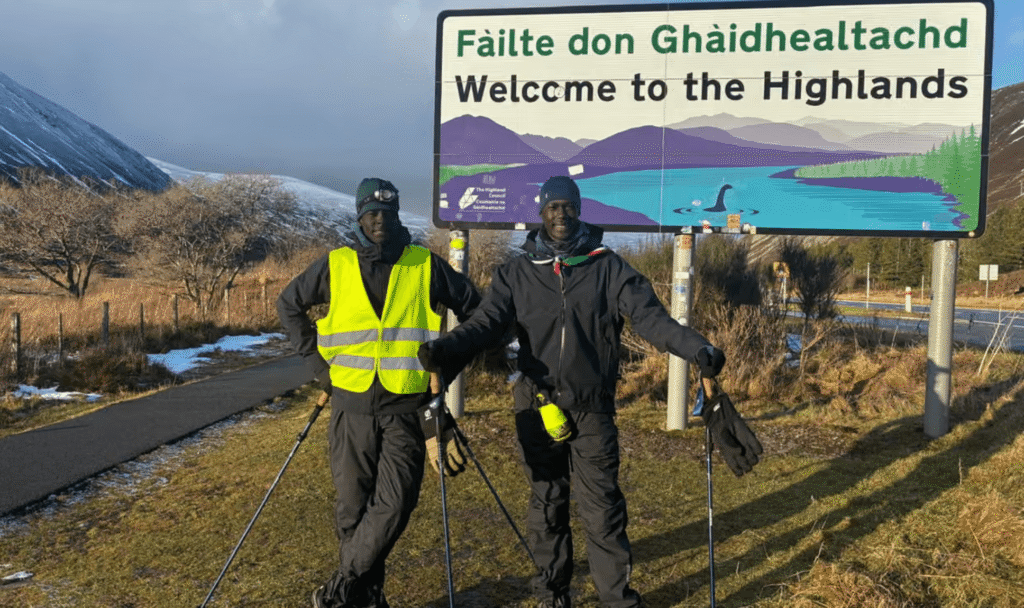
Across towns and villages, strangers opened their homes. Drivers pulled over to donate money. Airbnb hosts refunded stays and contributed instead to the cause. The pair were fed, sheltered and encouraged by people from all backgrounds. By the time they reached John o’Groats, they had raised more than £100,000, almost three times their original target.
South Sudan is burning, and the world is looking the other way
Yet as their message travelled across the UK, the violence they were trying to highlight intensified thousands of miles away.
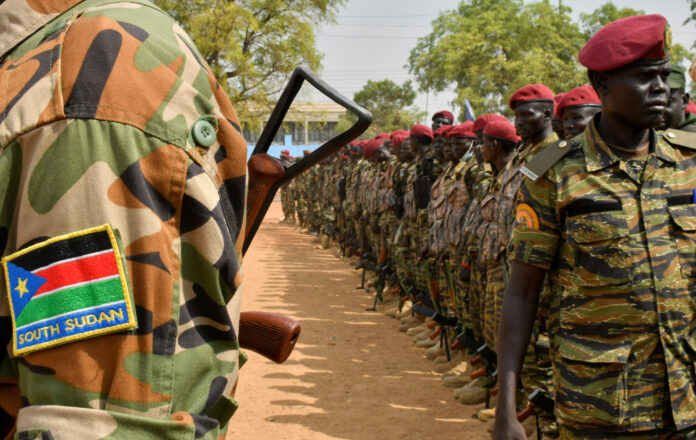
In South Sudan, the United Nations says the risk of mass violence against civilians is rising rapidly. Senior military rhetoric has grown more explicit, more dangerous. In recent days, a video circulated online showed a senior army commander urging troops to “spare no one”, including children and the elderly, ahead of operations in opposition-held areas of Jonglei state.
The language prompted alarm at the highest levels of the UN. Human rights officials warned that such statements are not only morally repugnant but could amount to incitement to war crimes. Entire counties have since been ordered to evacuate. Aid agencies and UN personnel have been told to leave. Civilians are fleeing into swamps and remote areas with little food, water or protection.
More than 180,000 people are believed to have been displaced in recent weeks alone.
For Malual, the disconnect is painful but familiar. He left South Sudan as a teenager, carrying with him the knowledge that violence there rarely commands headlines, outrage or urgency.
“The world talks about Ukraine, Gaza, Sudan, but South Sudan barely exists in global conversations,” he has said previously. “Yet people are dying. Children are being targeted. Communities are being wiped out.”
South Sudan, the world’s youngest nation, has been trapped in cycles of violence since its independence in 2011. A civil war that began two years later killed nearly 400,000 people before a peace deal was signed in 2018. That agreement has since unravelled. Political rivalry, ethnic division and the collapse of power-sharing arrangements have pushed the country back towards open conflict.
DON’T MISS THIS: Sudan’s Humanitarian Crisis, A War Civilians Cannot Escape
What is different now, UN officials warn, is the scale and tone of the violence. Public calls for total destruction, mass displacement orders, and the shrinking space for humanitarian access all point to a dangerous escalation.
And yet, there has been no emergency summit. No sustained diplomatic pressure. No global mobilisation matching the scale of the crisis.
South Sudan young men walk across Britain
While international institutions debate wording and mandates, two young men without power, money or political leverage managed to force conversations in kitchens, churches and community halls across the UK. Their journey showed that public compassion still exists, even when political will does not.
Supporters argue that this grassroots response exposes a deeper truth, that indifference to South Sudan is not inevitable, but chosen.
At King’s Cross station in London, Malual and Kuei were welcomed home by friends and supporters, exhausted but resolute. The walk is over. The schools may yet be built. But the war they are trying to expose continues.
“People helped us without asking where we were from, or what we looked like,” he said. “They just cared. That’s the world we want, and that’s the world South Sudan deserves too.”
For now, that world remains distant. And as civilians flee violence in silence, the question lingers: how many more miles must be walked before the world finally pays attention?