


Nigeria’s electric vehicle ambitions are moving beyond imported cars as Hybrid Motors develops plans spanning local manufacturing, charging infrastructure and vehicle financing.
The strategy could help address one of the biggest challenges facing electric mobility in Africa’s most populous country. Selling electric vehicles is only one part of the transition, while factories, charging networks, affordable finance and reliable electricity are equally important to creating a viable market.
Hybrid Motors is positioning itself across several of those areas as Nigeria seeks to develop a domestic electric mobility industry.
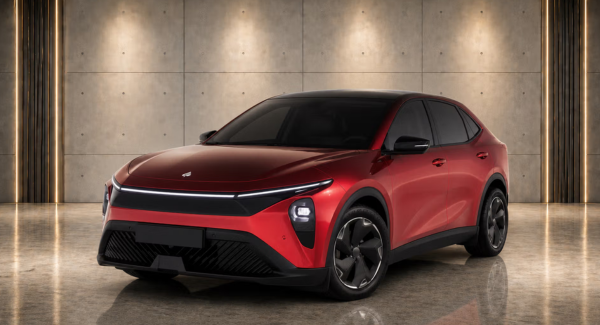
Central to the company’s plans is a partnership with Shanghai-based Launch Design to establish electric vehicle manufacturing facilities in Lagos and Abuja. Announced earlier this year, the project is expected to produce vehicles under the Acely brand and increase local participation in automotive manufacturing.
Production plans cover passenger vehicles alongside models designed for commercial use. At full capacity, the proposed facilities are targeting annual output of about 70,000 vehicles, according to reporting on the project.
Local manufacturing could reduce Nigeria’s dependence on fully built vehicle imports while creating opportunities for engineers, technicians, suppliers and other businesses connected to automotive production.
Manufacturing alone, however, will not create a functioning electric vehicle market.
Charging remains one of the biggest barriers to adoption. Drivers need confidence that they can recharge vehicles conveniently at home, work and along major transport routes before switching away from petrol or diesel.
Hybrid Motors is therefore developing charging infrastructure alongside its vehicle business, with Lagos and Abuja among the initial areas of focus. Its wider strategy includes public fast-charging facilities and a longer-term network connecting important urban and inter-city routes.
Nigeria’s electricity challenges make that ambition more complicated. Grid reliability remains uneven, while many households and businesses depend on generators or alternative energy systems during power shortages.
Electric mobility could struggle to expand at scale if charging infrastructure depends entirely on an unreliable grid. Integrating solar power, battery storage and other decentralised energy systems could therefore become important as the market develops.
Cost presents another hurdle. Electric vehicles can offer lower running and maintenance costs over time, but their purchase prices remain beyond the reach of many consumers. Nigeria’s economic pressures and high financing costs make affordability particularly important.
Hybrid Motors is attempting to address that challenge through financing arrangements designed to spread the cost of vehicle ownership. Commercial drivers could become an important early market because they typically travel longer distances and may benefit more quickly from lower fuel and maintenance expenses.
Ride-hailing vehicles, taxis, delivery fleets and corporate transport could therefore play a significant role in accelerating adoption before electric cars become widely affordable to private households.
Such an approach mirrors developments elsewhere in Africa, where electric mobility has often gained its strongest early foothold in commercial transport.
Electric motorcycles and buses are expanding in markets including Kenya, Rwanda, Uganda and Nigeria. Fleet operators can calculate fuel savings more easily because their vehicles travel predictable distances and operate frequently.
Nigeria brings a different scale to that opportunity.
With more than 200 million people, large cities and significant demand for transport, even a gradual transition towards electric mobility could create a sizeable domestic market. Lagos alone has millions of daily journeys and persistent concerns over congestion, fuel costs and air pollution.
Building vehicles locally could allow Nigeria to capture more economic value from that transition.
Africa has historically imported much of its automotive technology. Electric mobility offers countries another opportunity to participate earlier in an industry that is still developing globally.
Nigeria has already signalled that it wants a larger role. Earlier this year, the government announced plans linked to EV assembly and nationwide charging infrastructure as part of efforts to support local manufacturing and cleaner transport.
Hybrid Motors enters that landscape as one of several companies attempting to build commercial businesses around the transition.
Competition will be important because Nigeria’s EV market remains relatively young. Established automotive manufacturers, new electric mobility businesses and international investors are all assessing opportunities as government policy develops.
Success will depend on more than vehicle sales.
Local factories need reliable supply chains and access to components. Charging businesses require sufficient demand to justify investment, while lenders need confidence that customers can repay vehicle financing over several years.
Skills development will also matter as electric vehicles require different expertise from conventional combustion-engine cars. Technicians must understand batteries, electric motors, charging systems and vehicle software.
Universities, technical colleges and manufacturers could therefore become part of the emerging ecosystem as demand for specialised workers grows.
Battery technology creates another strategic question.
Africa possesses many of the minerals required for electric vehicles, including lithium, cobalt, manganese, nickel, copper and graphite. Yet much of the continent’s mineral output still enters global supply chains before significant manufacturing takes place locally.
Building African EV industries could create stronger links between the continent’s mineral resources and its manufacturing ambitions.
Nigeria does not possess the same cobalt dominance as the Democratic Republic of the Congo or the lithium profile of Zimbabwe, but its large market gives it a different advantage. Scale can attract manufacturers when companies believe enough consumers and businesses will eventually buy their products.
AfCFTA could expand that opportunity further by giving manufacturers access to markets beyond Nigeria.
Vehicles assembled in Lagos or Abuja could eventually serve customers elsewhere in West Africa if trade barriers fall and automotive standards become better aligned across the continent.
Regional production would also strengthen the case for suppliers to manufacture more components locally rather than importing nearly everything required for assembly.
Achieving that level of industrialisation will take time. Nigeria must overcome expensive electricity, limited charging infrastructure, high borrowing costs and competition from affordable used petrol and diesel vehicles.
Policy consistency will be equally important. Manufacturers making long-term investments need predictable rules around tariffs, vehicle standards, taxes and incentives before committing significant capital.
Consumers will also need evidence that electric vehicles can operate reliably under Nigerian conditions.
Hybrid Motors is effectively attempting to solve several of those problems at once. Manufacturing provides vehicles, charging infrastructure supports their use and financing could make them accessible to a wider market.
Whether the model succeeds will depend on execution and consumer demand, but its significance lies in the broader approach.
Nigeria’s electric mobility transition will not be built by importing electric cars alone. A sustainable industry needs factories, power, charging networks, financing, skilled workers and local businesses capable of supporting vehicles throughout their lifespan.
Creating those connections could turn electric mobility from another import market into an industrial opportunity.
As global transport gradually shifts towards electrification, Nigeria faces a choice between consuming technologies developed elsewhere and building part of the industry at home.
Hybrid Motors is betting that Africa’s largest population can support the second path.