


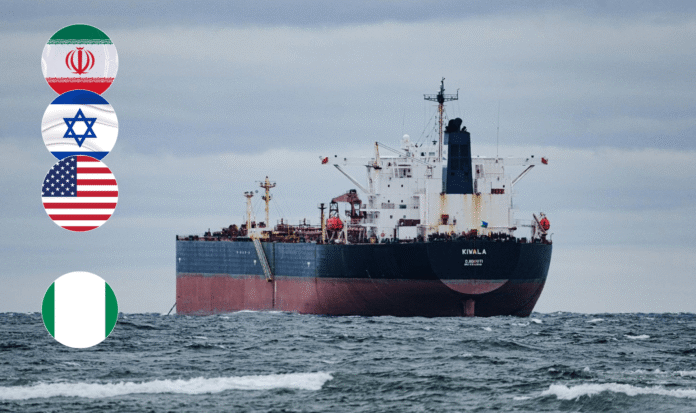
Conflict in the Middle East immediately affects energy markets. Oil prices rise, shipping lanes become restricted, and insurance costs increase. Supply routes that once seemed secure are quickly exposed as vulnerable. The recent escalation between Iran and Israel has again shown how much of the world relies on distant supply chains. In this environment, Africa is not just responding but adjusting its position.
Nigeria’s $20 billion refinery complex, owned by Aliko Dangote, is central to this change. The 650,000-barrel-per-day facility near Lagos has moved beyond serving only domestic needs and now plays a role in regional energy dynamics.
For years, West Africa exported crude oil and imported refined fuel from Europe and the Gulf. This setup was commercially practical but left the region exposed during shipping disruptions or periods of global tension.
The Iran-Israel conflict has tightened global energy flows. Freight costs are up, European refiners are under pressure to secure feedstock, and Gulf exporters are dealing with security risks. Countries that depend on imported gasoline and diesel are seeing higher prices and delays.
Nigeria uses between 50 and 60 million litres of petrol daily. Across Africa, demand is rising due to urbanisation, more transport, and industrial growth. However, refining capacity in Africa has not kept pace with this demand.
Since reaching full capacity earlier this year, Dangote’s refinery has started to replace overseas suppliers. Tanker-tracking data shows a significant increase in Nigerian exports of refined products such as gasoline, diesel, kerosene, and jet fuel in recent weeks.
Shipments now go not only within Nigeria but also to Côte d’Ivoire, Cameroon, Ghana, Tanzania, and Togo. The market, once dependent on distant imports, is now sourcing more fuel from within Africa.
During global instability, having supply chains close to home reduces freight risk, speeds up delivery, and gives more control over prices. African refiners working within the region can respond faster to changes in demand than suppliers who rely on longer, riskier shipping routes.
In the past, African energy markets accepted global price changes. Now, with a large refinery like Dangote’s in full production, bargaining dynamics in West Africa are starting to shift.
Local traders who previously depended on European cargoes are now looking to regional sources. Governments focused on fuel security are changing their procurement strategies. The refinery’s output is increasing competition in markets that were dominated by imports.
Debate continues within Nigeria. Dangote has said that ongoing petrol imports hurt local refining investment. Regulators are dealing with pricing pressures as global crude costs and geopolitical tensions rise. Pump prices have increased, showing the impact of international market volatility.
Despite these short-term changes, Africa is increasing its ability to manage its own energy supply. Energy is not only about fuel. It also involves leverage, diplomacy, and economic stability. In a time of shifting alliances and regional blocs, infrastructure shapes influence. Africa’s role in geopolitics is growing due to preparation, not just because of the crisis.
The refinery in Lagos is more than an industrial achievement. It marks a strategic shift. As traditional supply routes become less reliable, African producers with operational capacity are gaining importance in regional negotiations. Trade routes from Lagos to Abidjan and Port Harcourt to Dar es Salaam are now seen as strategic as well as commercial.
With global tensions affecting energy flows, Africa’s refining capacity is now operational, not just a plan. This development is significant. The Iran-Israel conflict will eventually ease, shipping lanes will reopen, and prices will change. However, the structural changes in the energy market are likely to last.
Africa has traditionally supplied raw materials to global markets. The current phase requires adding value within the continent. Local refining, regional exports of finished products, and less dependence on distant processors are part of a wider economic shift.
If this trend continues, Africa could move from being a reactive consumer to a regional stabiliser in global energy markets.
The refinery in Lagos does not remove volatility, and no single project can. However, it shows that large-scale industry in Africa can help absorb external shocks and create new opportunities for influence.
As geopolitical divisions shape economic results, being prepared is an advantage. For the first time in decades, Africa is not just observing changes in the energy sector. It is taking action.