


Econet Wireless Zimbabwe last year took a significant step beyond its traditional role as a mobile network operator, setting out plans for a large infrastructure project that signalled a broader ambition to shape the country’s industrial and digital future.
Through its infrastructure subsidiary, Econet InfraCo, the company outlined proposals for a 300-hectare industrial park near Robert Mugabe International Airport, a location chosen for its strategic value to manufacturers and export-focused businesses. The development was designed to combine industrial space, renewable energy and digital infrastructure in one integrated site.
The project included plans for a 100-megawatt solar power plant, intended to supply reliable electricity directly to businesses operating within the park, alongside a large-scale data centre to support modern digital services. Together, these facilities were expected to address two of the most persistent challenges facing Zimbabwean industry: unstable power supply and limited local data infrastructure.
Econet said the proximity to the airport would give tenants faster access to regional and international markets, while purpose-built power and water systems would reduce operational risk and costs. The aim was to create a setting where investors could focus on production and growth rather than basic infrastructure constraints.
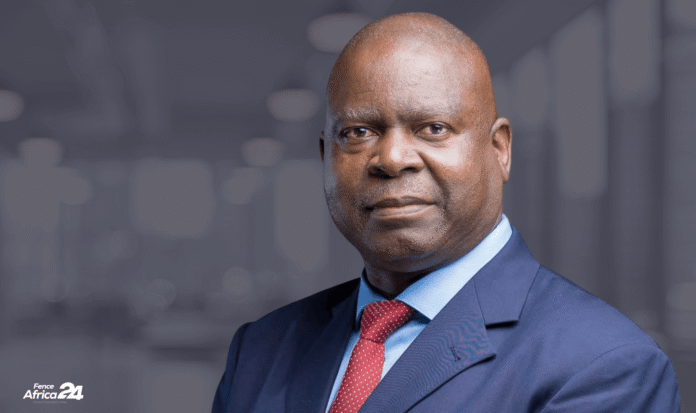
Speaking at the time, Econet Group chief executive Douglas Mboweni said the company was responding to what investors had long been asking for.
“Our focus was on putting the right infrastructure in place, power, water and digital capacity, so that businesses can operate with confidence,” he said. “That is what ultimately attracts investment and creates jobs.”
Development was expected to take place in stages, with the solar plant expanding as demand increased. Econet confirmed that work on the initial phase had already begun, underlining the seriousness of the commitment.
Reliable electricity remains one of the biggest obstacles for industry in Zimbabwe. By generating power on site, the project was expected to reduce pressure on the national grid while supporting the country’s shift towards cleaner energy. The solar facility was also seen as a hedge against rising energy costs and supply disruptions.
The planned data centre added another important layer. Data centres underpin cloud services, digital payments, e-commerce platforms and emerging technologies. Hosting these systems locally can improve speed, security and efficiency, while keeping data traffic within national borders.
Econet said the project reflected a growing understanding that modern economies depend as much on digital infrastructure as on physical factories and warehouses.
Although Econet InfraCo had only recently been formally unveiled, the company said it had long existed within the group, supporting network infrastructure. The difference lay in its expanded mandate and scale. By separating infrastructure into a standalone unit, Econet aimed to attract long-term investment into assets such as power generation, fibre networks and data centres.
The group also announced plans to list Econet InfraCo on the Victoria Falls Stock Exchange, subject to regulatory and shareholder approval. Such a listing would allow investors to back infrastructure development directly, while giving Econet access to capital to accelerate expansion.
At the time, the company described the project as one of the most ambitious private-sector developments proposed since Independence. Mboweni said it aligned with national industrialisation priorities and had the backing of Econet founder Strive Masiyiwa.
For Econet, the move marked a clear shift towards becoming a provider of critical national infrastructure. For Zimbabwe, it offered the prospect of new industrial capacity, job creation and stronger digital foundations.
By linking renewable energy, data services and industrial space in a single development, the Econet InfraCo project pointed to a model of growth built on reliable, locally controlled infrastructure, a key requirement for long-term economic stability and competitiveness.