


Zimbabwe’s real estate sector should be one of the country’s strongest engines for growth. It creates jobs, attracts investment, expands the tax base and shapes how people live, work and do business. Yet despite its potential, the sector remains held back by deep structural problems, many of them rooted in how city authorities operate.
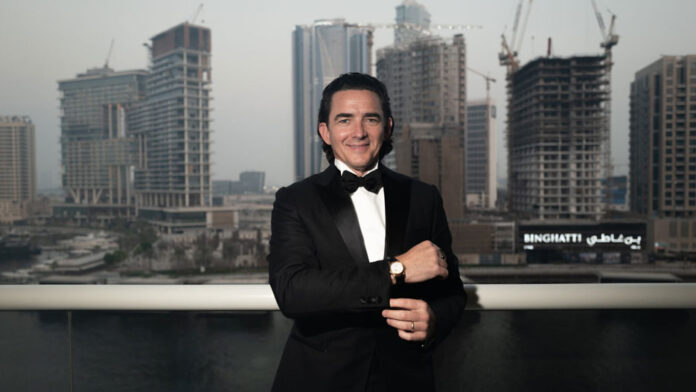
That reality was laid bare in a recent public intervention by Ken Sharpe, one of Zimbabwe’s most prominent real estate investors, who has become increasingly vocal about the challenges facing developers and homeowners across the country.
Sharpe’s argument is simple but powerful: cities are failing to deliver basic services, while at the same time charging development fees that are so high they actively discourage construction, investment and growth.
In fast-growing areas such as Borrowdale, developers and residents are being forced to fund and build essential infrastructure themselves. Sewer systems, biodigestors and large-scale water storage facilities are privately financed, even though residents continue to pay municipal rates. In effect, developers are doing the work of local authorities, without corresponding relief on costs or fees.
This disconnect becomes even more damaging when it comes to development approvals. Sharpe points to cases where local authorities demand hundreds of thousands of US dollars simply to submit a building plan. These charges, he argues, are neither realistic nor defensible in an economy that is trying to grow housing stock and modern commercial space.
The result is predictable. Projects are delayed, scaled down or abandoned altogether. Smaller developers are locked out of the market, and ordinary Zimbabweans are priced out of building homes. Instead of encouraging orderly urban development, the system stifles it.
Sharpe has proposed a far more practical alternative: a fixed, transparent fee structure that makes development possible rather than punitive. Under his proposal, submitting a house plan would cost around US$500, while a commercial building plan would be capped at about US$10,000. Such figures, he argues, are fair, predictable and sustainable for both developers and city councils.
The stakes go far beyond individual projects. Zimbabwe’s real estate sector currently contributes about 1.8 percent to gross domestic product. Globally, real estate typically accounts for between 15 and 20 percent of GDP, while across Africa the average is closer to 10 to 15 percent. The gap highlights not a lack of opportunity, but a system that is actively suppressing growth.
Housing and commercial property are not luxuries. They are foundations of any modern economy. Every housing development stimulates demand for construction materials, labour, transport, finance and services. Commercial buildings support businesses, retail, manufacturing and professional services. When real estate works, entire value chains move with it.
This is where the role of private investors such as Ken Sharpe becomes critical. Despite operating in a difficult environment, developers like him continue to invest in large-scale projects, modern housing estates and commercial precincts. Their work demonstrates what is possible when capital, vision and long-term commitment come together.
But private effort alone is not enough. Sharpe’s call is ultimately directed at government, both national and local. He argues that if Zimbabwe is serious about economic growth, urban renewal and job creation, then real estate must be treated as a strategic sector, not a revenue target to be milked through excessive fees.
Support does not mean subsidies alone. It means fixing broken systems, aligning fees with economic reality, improving service delivery and creating an environment where building is encouraged rather than punished.
Zimbabwe’s cities are expanding. Demand for housing is rising. Businesses need modern, functional spaces to operate and grow. The opportunity is clear. What is missing is a policy and regulatory framework that matches that opportunity.
If the concerns raised by Sharpe and others in the sector are taken seriously, real estate could become one of Zimbabwe’s strongest contributors to GDP, employment and urban transformation. If they are ignored, the country risks continuing down a path where growth is constrained not by lack of ambition, but by systems that no longer serve the people they are meant to support.
In that sense, the debate is no longer just about fees or services. It is about the kind of cities Zimbabwe wants to build, and whether development is seen as a shared national priority or an obstacle course for those willing to invest.