


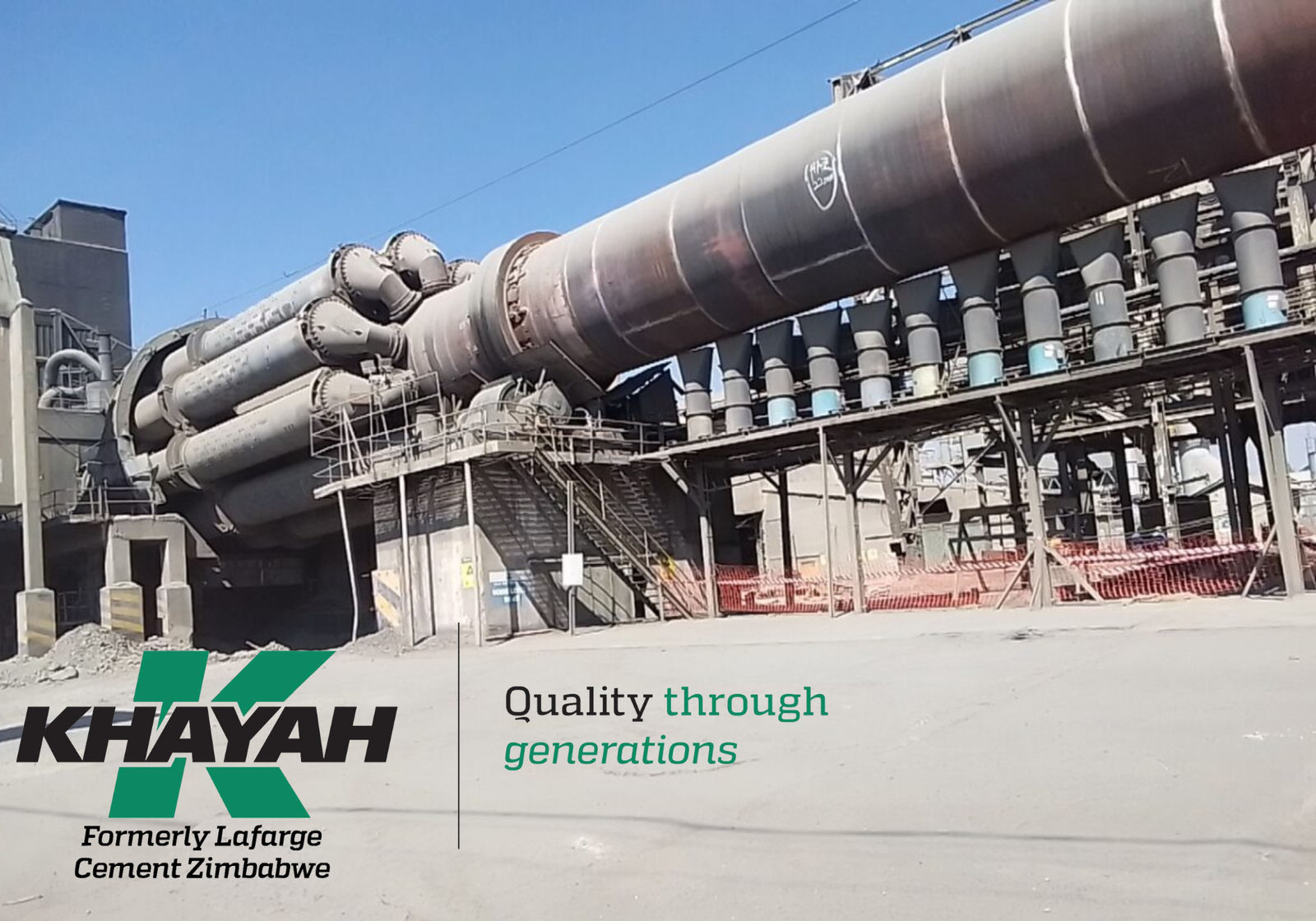
Zimbabwe’s cement supply is expected to improve following the restart of Khayah Cement’s clinker kiln after a US$20 million rehabilitation programme, government officials have said.
The kiln, which had been idle for more than two years, resumed operations earlier this month. Industry and Commerce Minister Mangaliso Ndlovu said the facility was still in its initial warming-up phase but described its return as a major step towards easing cement shortages that have affected the country’s construction sector.
The shutdown, which lasted 26 months, was caused by a mix of mechanical failures, extended maintenance work and delays in securing key components from outside the country. During that time, pressure on local cement supply steadily increased.
Recent shortages were made worse by several disruptions occurring at the same time. PPC’s Harare plant experienced a breakdown, while Sino Cement in Kwekwe temporarily shut down for scheduled maintenance. In addition, clinker imports from Zambia were interrupted for two weeks, with border audit delays compounding the problem. These challenges pushed cement prices to between US$16 and US$22 per bag, depending on location.
To stabilise the market, the government allowed temporary increases in cement imports. Minister Ndlovu said the measure was meant to protect consumers and the construction industry but warned it would not be permanent. He stressed that import permits would be withdrawn from companies found exploiting the situation by inflating prices.
While the restarted Khayah kiln will meet the company’s own clinker requirements, the minister acknowledged that Zimbabwe still does not have enough clinker capacity to meet national demand. Several grinding plants that opened in recent years have struggled or closed due to shortages of locally produced clinker.
The government is now discussing plans for a new clinker plant, which would require an investment of between US$150 million and US$200 million. Officials believe the project could provide a long-term solution by strengthening local production and reducing reliance on imports.
Khayah Cement’s corporate rescue practitioner said the restart of the kiln was a key milestone in the company’s recovery and would help bring greater stability to Zimbabwe’s cement industry.