
Zimbabwe has begun formal discussions with global technology giants Google and Meta as part of a broader push to unlock online monetisation opportunities for local content creators and strengthen the country’s digital economy.
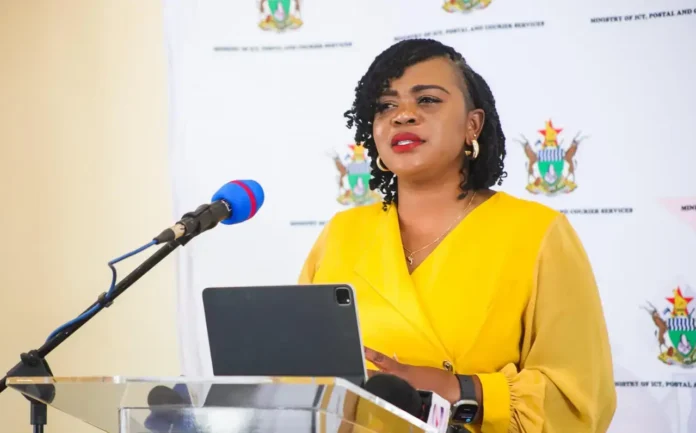
The move was confirmed by Tatenda Mavetera, Zimbabwe’s Minister of Information, Communication Technology, Postal and Courier Services, following her appointment to the newly established Africa Artificial Intelligence Council under the Smart Africa Initiative.
According to the minister, the engagements with Google and Meta are aimed at addressing long-standing structural barriers that have left Zimbabwean digital creators unable to earn income from platforms that already generate significant advertising and data-driven revenues globally. While creators in many countries can monetise videos, social media content, and digital publications, Zimbabwean creators have largely been excluded from these systems.
Government officials say this exclusion has limited the growth of digital entrepreneurship, particularly among young people who increasingly rely on online platforms for creative expression, storytelling, education, and innovation. Without access to monetisation tools such as advertising revenue sharing, subscriptions, and creator funds, many Zimbabwean creators are unable to turn their skills into sustainable livelihoods.
The discussions are therefore not simply about social media income, but about economic inclusion. Content creation today is a recognised industry, supporting millions of jobs worldwide across journalism, entertainment, education, marketing, and software development. When creators are paid, they reinvest in better equipment, skills development, local production, and new businesses, creating a ripple effect across the economy.
The government believes that enabling monetisation will help formalise the creator economy, reduce youth unemployment, and position Zimbabwe as a competitive player in Africa’s fast-growing digital market. It also aligns with wider continental efforts to ensure African voices are not only visible online but are economically rewarded for the value they create.
Officials say fair compensation for digital content is also critical for narrative ownership. When creators can earn locally, they are more likely to produce authentic, high-quality content that reflects Zimbabwean realities, culture, and innovation, rather than tailoring work solely for external audiences.
While discussions with Google and Meta are still at an early stage, the government has framed the talks as a strategic step toward ensuring Zimbabwean creators participate fully in the global digital economy, not as consumers alone, but as paid contributors whose work generates real economic value.
As digital platforms continue to shape how information, culture, and commerce move across borders, Zimbabwe’s push signals a growing recognition that content creators are not hobbyists, but workers in a modern economy who deserve access to fair and sustainable income streams.