


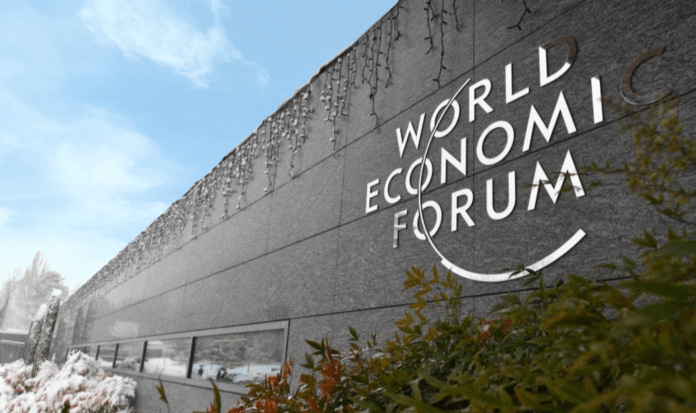
The fifty-sixth World Economic Forum will open in Davos, Switzerland, tomorrow, the 19th of January 2026, bringing together world leaders, business executives and some of the most influential figures shaping the future of artificial intelligence and technology.
Set against the Swiss Alps, the annual gathering will host heads of state, senior policymakers, investors and diplomats alongside leading technology innovators, researchers and founders whose work is driving the next wave of digital transformation.
This year, artificial intelligence is expected to dominate the agenda, with discussions centred on innovation, regulation, ethics, economic impact and how emerging technologies are reshaping industries and societies.
World Economic Forum’s powerful participants
Among the high-profile participants are Microsoft chief executive Satya Nadella, NVIDIA boss Jensen Huang, Google DeepMind chief Demis Hassabis and Meta executive Dina Powell McCormick. They will be joined by leaders from some of the world’s most influential AI companies, including OpenAI’s Sarah Friar, Anthropic’s Dario Amodei, Mistral AI’s Arthur Mensch, Palantir’s Alex Karp, Sierra’s Bret Taylor and Agility Robotics chief Peggy Johnson.
Academic and research voices will also play a central role. Yoshua Bengio of the University of Montreal, one of the pioneers of deep learning, will attend alongside historian and technology thinker Yuval Harari and AI researcher Eric Xing from the Mohamed bin Zayed University of Artificial Intelligence. Their presence reflects growing concern about the long-term social, economic and ethical impact of artificial intelligence.
Global investors and sovereign wealth leaders, including Khaldoon Khalifa Al Mubarak of Mubadala and Peng Xiao of G42, will highlight the increasing link between capital, innovation and advanced technologies, as countries and companies race to secure a leading position in the AI economy.
With political leaders, technology executives, researchers and investors all in one place, Davos 2026 is expected to shape the global conversation on how artificial intelligence should be developed, governed and used to drive inclusive growth.
As the world grapples with rapid technological change, the forum once again positions itself as a key platform where decisions about the digital future will be debated, tested and, in many cases, quietly shaped.