
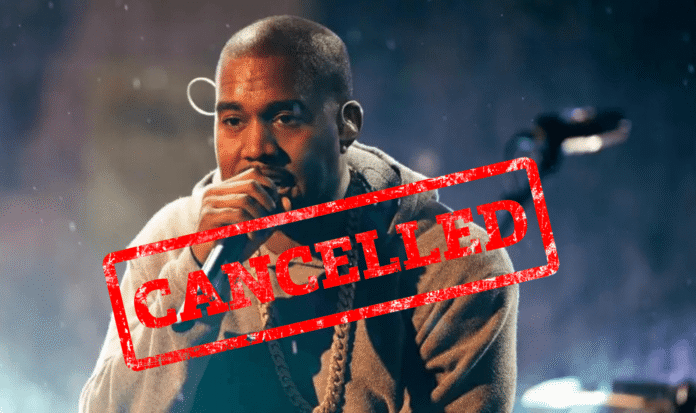
The 2026 Wireless Festival was set to be one of London’s premier music events. It quickly became a source of controversy. Major sponsors withdrew. The UK government denied Ye entry. The festival was cancelled.
This appears to be a clear act of accountability. But the sequence of events tells a different story. External pressure and public perception drove these decisions more than consistent principles did.
Ye recently released BULLY. It sold approximately 152,000 equivalent album units in its first week and debuted at No. 2 on the US Billboard 200. Fan support remained strong. Organisers, partners, and sponsors all agreed to his headline slot across all three nights. Companies such as Pepsi and Diageo knew his history when they signed on. His past controversies were not a secret.
These brands withdrew only after facing public backlash and political scrutiny. Their delay left the festival in uncertainty. If Ye’s involvement conflicted with their values, they should have acted at the time of his announcement. Waiting until criticism intensified suggests reputation mattered more than principle.
This raises broader questions about cancel culture and redemption. When should public figures learn, apologise, and move forward? Earlier this year, Ye publicly apologised for past antisemitic remarks. He said he was “deeply mortified” and committed to accountability.
Before Wireless, Ye offered to meet members of the UK Jewish community. He said: “If you’re open, I’m here to listen.” He added: “My only goal is to come to London and present a show of change, bringing unity, peace, and love.” These actions do not undo past harm. They do, however, contribute to a broader dialogue. The cancellation shut that dialogue down.
A culture that values growth and accountability should ask why Ye was denied the chance to demonstrate change. Sponsors withdrew and blocked his entry at the last minute. In doing so, they overlooked the agency of attendees who had already chosen to support him. That decision came before Prime Minister Keir Starmer intervened.
Melvin Benn, managing director of Festival Republic, offered a different perspective. He acknowledged some of Ye’s remarks were “abhorrent.” He urged perspective nonetheless. “Forgiveness and giving people a second chance are becoming a lost virtue in this ever-increasing divisive world,” he wrote. He encouraged others to offer “some forgiveness and hope to him as I have decided to do.”
Benn clarified that Ye’s performance would focus on music already available in the UK. New controversial rhetoric was not part of the plan. His statement drew criticism. It also highlighted a genuine effort to separate the artist’s work from his past. Sponsors, by contrast, framed their withdrawal as a values-driven decision.
Companies seek to avoid controversy that could hit revenue or stakeholder confidence. Pepsi and Diageo aligned with Ye at the time of the agreement. They withdrew only after public pressure mounted.
Their moral stance emerged only when reputational risk became unavoidable. Ye’s past remarks were serious. Criticism of them remains valid. Even so, the inconsistency in how brands and the music industry responded is notable.
Pepsi and Diageo did not apply their stated principles when they agreed to sponsor Wireless. Those principles surfaced only after backlash emerged. The cancellation of the 2026 Wireless Festival reveals more about the environment surrounding Ye than about the artist himself.
Performative moral positioning, it shows, tends to follow controversy rather than guide decisions from the outset. That raises important questions. Who gets to learn, apologise, and move forward in the public eye? What does it mean for cancel culture if Ye is never given that chance?