
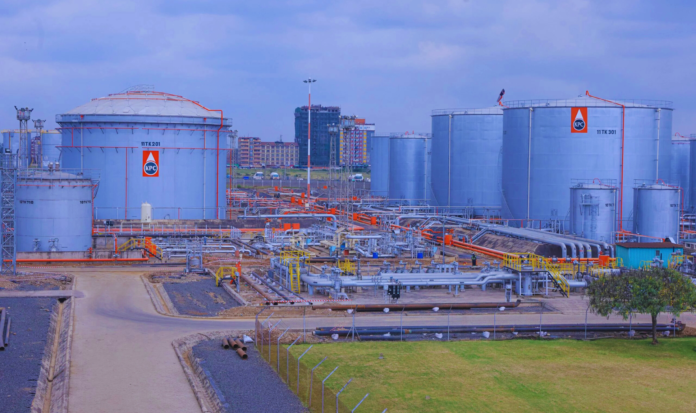
Kenya’s plan to partially privatise its state-owned fuel transporter, Kenya Pipeline Company(KPC), has moved into motion, but the initiative is already running into resistance from the courts and political opposition.
The government intends to sell a 65% stake in KPC through an initial public offering, targeting proceeds of about $824 million. If successful, it would mark Kenya’s first IPO in nearly a decade. Officials say the funds will help finance major infrastructure works, including road construction, upgrades to ports and airports, and investment in the energy sector.
Why the need to privatise KPC
The push to sell public assets comes as President William Ruto’s administration grapples with mounting fiscal pressure. Debt repayments now consume close to 70% of state revenues, sharply limiting government spending options. With public anger still high after last year’s proposed tax increases sparked deadly nationwide protests, the government has few politically viable ways to raise funds.
In this context, the administration has turned to asset sales, with KPC and telecoms operator Safaricom among the firms earmarked to help plug financing gaps.
The plan to privatise KPC is facing legal scrutiny. Opposition senator Okiya Omtatah has filed a petition seeking to halt the privatisation, arguing that the government failed to properly consult the public and did not meet constitutional standards governing the disposal of public assets. The court is expected to assess whether the process met basic requirements for transparency, accountability, and public participation.
Market observers say the legal uncertainty could weigh heavily on investor appetite. Analysts interviewed by Semafor warned that unresolved governance concerns risk undermining confidence in the offering, especially given KPC’s strong financial performance, which included $144 million in EBITDA in the 2024/25 financial year.
Former Central Bank of Kenya chairman Mbui Wagacha said the manner in which the sale is being handled could itself become a liability.
“When questions arise around transparency and board-level decisions, investors become cautious,” he said, adding that such concerns could ultimately affect how the IPO is priced and received.
As Kenya presses ahead with its infrastructure ambitions, the fate of the KPC privatisation may come to symbolise the broader tension between urgent fiscal needs and public trust in how national assets are managed.