


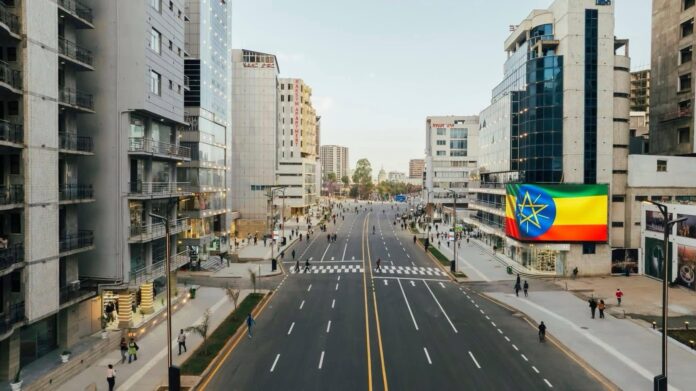
Ethiopia is increasingly being seen as one of the clearest examples of how green mobility can move from ambition to action.
Rather than treating sustainability as a separate policy conversation, the country is linking transport reform to infrastructure, financing and urban design. That approach is helping position Ethiopia as a leading example of resilient, low-emission mobility on the continent.
A central part of that shift lies in how the country is thinking about infrastructure. Ethiopia’s approach goes beyond conventional road construction. Through integrated corridor development, it is building transport routes designed not only for movement, but for long-term economic resilience. These corridors are intended to carry people and goods more efficiently while also responding to climate and environmental pressures.
Financing is another important part of the model. The transition to cleaner transport requires significant capital, and Ethiopia is trying to avoid overdependence on external debt by drawing more deliberately on local financing mechanisms. That strategy is helping support the green transition while also giving domestic investors a larger role in the process.
Urban design is also receiving greater attention. Ethiopia’s growing focus on non-motorised transport reflects an effort to make cities work better for pedestrians and cyclists. By giving people more space, the country is linking mobility reform to lower emissions, healthier urban life, and more inclusive access to transport.
Electrification, however, remains the most visible part of the transition. Ethiopia has made a major push towards electric mobility, supported by a broad commitment to charging infrastructure. That national effort is helping turn electric vehicle ownership into a more practical reality. At the same time, the government is placing particular emphasis on electrifying public buses and large-scale transit systems, signalling a desire to spread the benefits of green transport as widely and as quickly as possible.
Taken together, these measures show a country trying to build a transport system that is cleaner, more efficient and more resilient. Ethiopia’s experience suggests that emerging economies do not need to follow the older, more polluting path before changing direction. With policy intent, practical investment and smart design, they can move more directly towards a lower-carbon future.