
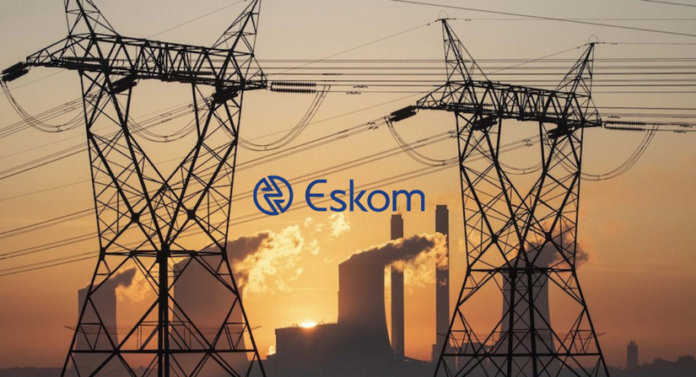
JOHANNESBURG, South Africa – South Africa’s state-owned electricity utility Eskom could face a R4 billion compensation bill this financial year as solar power generation expands. The growing cost has raised concerns about electricity tariffs and the country’s ability to manage its changing energy system.
The projected bill relates to electricity generated by independent renewable energy producers that Eskom cannot always accept. These producers may still receive compensation under existing supply agreements.
Keith Bowen, a senior manager at the National Transmission Company of South Africa (NTCSA), disclosed the estimate during an industry discussion in Sandton. The event brought together energy specialists, investors and legal experts to examine renewable energy curtailment.
Curtailment occurs when the electricity system operator instructs power producers to reduce generation. This helps maintain the balance between electricity supply and demand.
South Africa is experiencing growing daytime electricity surpluses as households and businesses install solar panels. Many consumers now generate their own power during daylight hours but return to grid electricity in the evening.
Eskom cannot simply shut down its coal-fired power stations whenever solar production increases. These plants need time to adjust their output and must remain available when demand rises.
Consequently, the system operator sometimes instructs solar and wind farms to reduce electricity production. Certain government-backed contracts require Eskom to compensate producers even when their electricity is not used.
Bowen estimates that these payments could reach R4 billion during the current financial year. The amount could increase as more renewable energy projects begin operating.
Energy pricing expert Deon Conradie warned that consumers could eventually bear the costs through higher electricity tariffs.
The projected expenditure remains relatively small compared with Eskom’s overall regulated revenue. However, industry specialists fear that rising compensation payments could create another financial burden.
The issue also affects private investment in renewable energy. Developers and lenders need certainty about how much electricity projects can sell and who carries the risk of curtailment.
Mamoso May, chief executive of Artemis Group Holdings, said the allocation of this risk has become increasingly important in investment decisions.
Private electricity supply agreements do not all follow the same approach. Some place curtailment risks on producers, while others transfer part of the financial exposure to electricity buyers.
Energy specialists have proposed expanding battery storage and introducing more flexible electricity pricing. Lower daytime tariffs could encourage consumers to use more electricity when solar generation is abundant.
Additional storage would allow excess renewable electricity to be used later. However, developing large-scale storage infrastructure requires further investment and time.
The challenge highlights a changing reality in South Africa’s electricity sector. Renewable energy is expanding, but the existing power system was largely designed around conventional generation.
South Africa must now improve coordination between coal power, renewable energy and electricity demand. Greater flexibility could reduce unnecessary compensation costs while supporting further private investment.
The R4 billion estimate is a warning about the financial pressures of managing the energy transition. Its significance extends beyond Eskom to electricity consumers, businesses and future renewable energy projects.
Managing these costs will be essential if South Africa is to expand cleaner electricity without creating additional pressure on households and industry.