
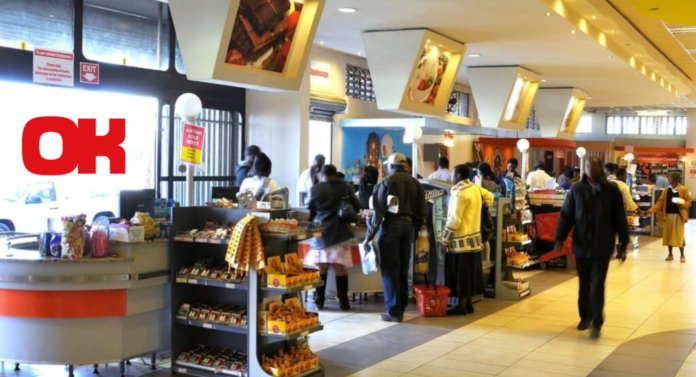
HARARE, ZIMBABWE – OK Zimbabwe has launched a major restocking drive after securing guarantees from two local banks, giving one of the country’s best-known retailers fresh access to supplier credit as it attempts to recover from a prolonged financial crisis.
The Zimbabwe Stock Exchange-listed retailer is replenishing stores and rebuilding relationships with suppliers after months of weak stock availability disrupted operations across its network. The new bank guarantees are designed to give suppliers greater confidence to extend credit, easing one of the pressures that contributed to empty shelves and declining sales.
The development marks an important step in OK Zimbabwe’s turnaround, but the retailer still faces a difficult recovery. Years of weakening revenues, liquidity pressures and supplier challenges eventually pushed the company into corporate rescue proceedings in February 2026.
Its problems became increasingly visible to customers as stock shortages spread across stores and some branches closed. Reduced product availability weakened the retailer’s ability to generate sales, creating a cycle in which lower revenue made it harder to pay suppliers and secure fresh inventory.
Restocking could help break that cycle if OK Zimbabwe can maintain reliable product availability and win back shoppers. Suppliers are central to that effort, making the bank guarantees significant because they reduce some of the financial risk involved in extending goods on credit.
The latest intervention follows a wider recapitalisation effort. OK Zimbabwe raised US$20 million through a rights offer in 2025 as management sought funds to stabilise operations. The company had been working to close a larger funding gap through a combination of new capital, asset disposals and improved supplier arrangements.
Its financial deterioration had already been severe. Revenue fell to about US$245.2 million in the financial year ended March 2025, down roughly 52% from US$511 million a year earlier. Interim results for the six months to September 2025 showed revenue falling further to about US$28.3 million as trading conditions deteriorated.
OK Zimbabwe’s difficulties have unfolded against wider changes in the country’s retail market. Formal supermarkets compete not only with established chains but also with a large informal trading sector, while currency movements, pricing pressures and access to working capital have complicated operations.
That makes the retailer’s recovery significant beyond the company itself. OK Zimbabwe has been part of Zimbabwe’s formal retail landscape for decades, and its struggle illustrates how quickly weak liquidity and disrupted supplier relationships can undermine even an established national business.
Restocked shelves provide an immediate sign of improvement, but sustainable recovery will depend on whether the company can keep products available, rebuild customer traffic and generate enough cash from its stores to meet ongoing obligations.
Bank guarantees can reopen access to supplier credit, but they cannot resolve the underlying business challenges on their own. Cost control, store performance, supplier relationships and working capital will remain critical as the corporate rescue process continues.
OK Zimbabwe’s latest restocking drive therefore represents more than the return of products to supermarket shelves. It is an early test of whether new financial support can restore confidence in a retailer that has spent much of the past year fighting to stabilise its business.
The coming months will show whether that confidence can translate into sustained sales and a viable recovery, or whether deeper restructuring will be needed to secure the future of one of Zimbabwe’s most recognisable retail brands.