


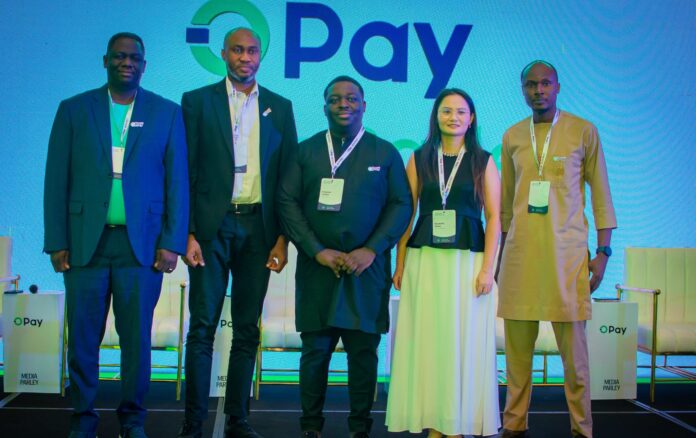
Nigeria’s fintech industry has transformed how millions of people send and receive money. OPay is now looking beyond payments, betting that digital savings could become the next major battleground in the country’s financial sector.
On 10 August, OPay launched its 7 Savings Festival, a 49-day campaign through its OWealth platform. Running until 27 September, the initiative encourages customers to create savings plans and put money aside consistently towards specific financial goals.
Qualifying customers can access an interest rate of 27% per annum, alongside daily interest and a chance to share in a ₦77 million additional-interest pool. Savings targets range from ₦77,000 to ₦777,000, with customers required to complete their plans without early withdrawals to qualify for some benefits.
OPay’s move reflects a broader change in Nigeria’s fast-growing fintech industry. Digital platforms initially gained millions of customers by making transfers, bill payments and other everyday transactions easier. Increasingly, companies are looking to build deeper financial relationships with those users.
Savings could become an important part of that strategy. Convincing customers to keep money within a digital platform creates a different relationship from processing occasional payments. It also places fintech companies in closer competition with traditional banks.
Nigeria offers significant potential for digital savings products, although economic pressures remain considerable. Rising living costs have made it harder for households to set money aside, particularly for people earning irregular incomes.
Digital platforms could make saving more accessible by allowing customers to contribute smaller amounts through their phones. OPay says its campaign aims to encourage consistent saving rather than relying on occasional deposits.
Trust will be central to that shift. Customers moving from payments into savings need confidence that their money remains secure and accessible. Clear information about interest rates, withdrawal conditions and eligibility requirements will also become increasingly important.
OPay’s advertised 27% figure is an annual interest rate, rather than a 27% return over the 49-day campaign. Actual earnings will depend on the amount saved, the period funds remain in the product and whether customers meet the campaign conditions.
Competition could ultimately benefit Nigerian consumers as banks and fintech companies fight for a larger share of their financial activity. Traditional banks have invested heavily in mobile services, while fintech platforms continue expanding beyond payments into savings and other financial products.
That convergence is gradually changing Nigeria’s financial landscape. Fintech companies no longer want to provide only the technology people use to move money; they increasingly want to become platforms where customers manage more of their financial lives.
OPay’s latest campaign offers an early indication of how that competition could develop. Payments helped Nigeria’s fintech companies acquire millions of users, but savings could determine whether those platforms can build deeper and longer-lasting customer relationships.
As Nigeria’s digital finance industry matures, the next contest may not be about who can move money fastest. It could be about who Nigerians trust to keep it.