


Mega Market has evolved well beyond its origins in retail and distribution, transforming itself into a significant force within Zimbabwe’s fast-moving consumer goods (FMCG) sector. This expansion reflects a deliberate strategy to participate in more stages of the food value chain, allowing the company to respond to changing market dynamics and consumer needs.
Today, Mega Market manages an integrated operation that includes manufacturing, warehousing, sales, and distribution across the entire country. Its extensive logistics network enables the company to reach not only formal retail outlets but also informal and rural markets, ensuring widespread product availability and market penetration.
A cornerstone of Mega Market’s recent growth has been its significant investment in the milling sector, marking a strategic move to strengthen its position in food production.
In 2025, the company commissioned a state-of-the-art flour milling plant in Mutare at a cost of US$23 million. The facility boasts the capacity to process approximately 300 tonnes of wheat per day. It supplies a range of flour products, including bread flour, cake flour, self-raising flour, and biscuit flour, further broadening Mega Market’s manufacturing capabilities.
The potential acquisition of Lobels would enable Mega Market to link its flour production operations directly with an established commercial bakery and a robust distribution network. This integration could streamline processes and enhance efficiency throughout the supply chain.
This potential integration stands out as one of the most significant aspects of the proposed transaction, as it would allow Mega Market to exert greater influence over multiple stages of the food production chain.
With such a move, Mega Market could achieve greater control from processing wheat into flour all the way to producing and distributing bread, positioning itself as a vertically integrated player in Zimbabwe’s food industry.
However, this level of integration is also likely to draw attention from competition regulators, who must assess the potential impact on Zimbabwe’s milling and bakery markets. Ensuring that increased efficiency does not come at the expense of healthy competition will be a central concern.
The proposed acquisition represents yet another pivotal change in ownership for Lobels, following a turbulent period that nearly saw the company collapse. This context is crucial to understanding the significance of the deal for both parties.
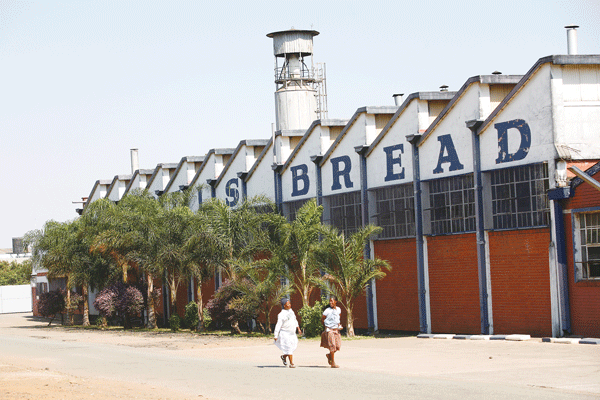
Lobels, founded in Bulawayo in 1957, steadily built its reputation to become one of Zimbabwe’s most recognisable and trusted bread brands, playing a key role in the country’s bakery industry for decades.
However, between 2008 and 2012, Lobels encountered severe financial and working capital challenges that disrupted its operations and threatened its survival.
To address these difficulties, local banks intervened through a comprehensive restructuring programme. They converted debt into equity and provided much-needed support to revive the bakery’s operations, laying the groundwork for recovery.
This recovery phase involved substantial investments in modern machinery and a focused drive to boost production capacity, both of which were crucial to restoring Lobels’ competitive position.
By 2014, Lobels announced the commissioning of a new production line at its Harare operations. The investment was expected to increase its daily production capacity by 42%, allowing the bakery to produce approximately 340,000 loaves per day. This represented a significant milestone in Lobels’ recovery journey.
Prior to this expansion, the company was producing about 240,000 loaves daily at the Harare plant, a remarkable improvement from the 30,000 loaves per day when its recovery efforts began in 2012.
Lobels underwent another major transformation in 2015 when private equity firm Takura Capital acquired the company. This acquisition was instrumental in reshaping the ownership structure and providing fresh impetus for growth.
As part of the transaction, Takura Capital settled approximately US$18 million in debts owed to CBZ Bank, Metbank, FBC Bank, and NMB Bank. This intervention allowed these financial institutions, which had previously taken ownership stakes as part of the rescue plan, to exit the business.
Those institutions had taken ownership positions in the bakery as part of efforts to restructure its debts and restore operations. With Takura’s acquisition, the banks were able to withdraw after playing a critical role in stabilising the company, passing stewardship to new investors committed to long-term recovery and growth.
Now, more than a decade later, the proposed transaction with Mega Market could open another important chapter for Lobels, signaling renewed ambition and the potential for further expansion under new ownership.
Mega Market’s interests also extend beyond its privately held FMCG operations. The company has built positions in publicly traded Zimbabwean businesses.
Tanganda Tea Company’s shareholder information, for example, shows Mega Market among its major shareholders. At the end of 2025, it held about 12.7% of the company’s issued shares.
Mega Market is also one of the major shareholders in Dairibord Holdings. That investment is currently the subject of a separate potential transaction.
Dairibord announced this month that Mega Market, Equivest Asset Management and Mutare Mart & Exchange had entered negotiations with an unnamed third party over the possible disposal of their combined controlling interest.
Together, the three shareholders hold more than 51% of Dairibord’s issued ordinary shares. The Dairibord discussions are separate from Mega Market’s proposed acquisition of Lobels.
If regulators approve the Lobels acquisition, Mega Market would gain an established bakery brand alongside its existing milling, manufacturing and distribution operations.
A business that produces flour, manufactures consumer goods and operates a nationwide distribution network could gain further efficiencies by adding bread production.
Lobels would bring its brand, bakery operations and existing market presence into that network. But greater integration also explains why regulatory scrutiny matters.
The Competition and Tariff Commission will need to consider whether the combination strengthens efficiency and investment without undermining competition in Zimbabwe’s food industry.
For consumers, the longer-term questions will centre on competition, pricing, product availability and whether new investment follows the acquisition.
The deal could provide Lobels with another opportunity for expansion under a company already investing heavily in Zimbabwe’s food production and distribution infrastructure.
Regulatory approval would move Mega Market further along the food value chain, expanding its reach from milling and FMCG distribution into one of Zimbabwe’s most established consumer food categories. The final decision now rests with the competition authorities.