


Zimbabwe is accelerating the development of Special Economic Zones to attract investment, expand industry and increase returns from its natural resources.
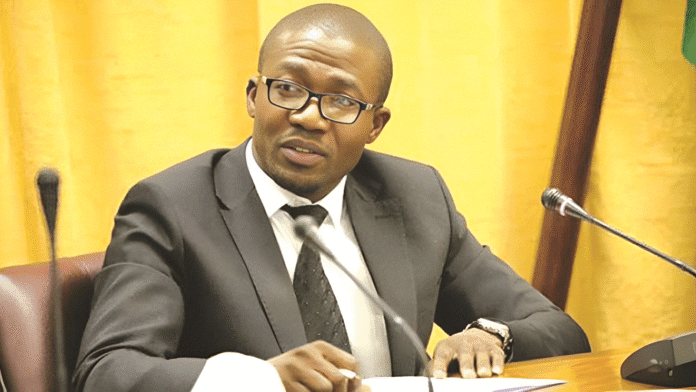
Industry and Commerce Minister Nqobizitha Mangaliso Ndlovu stated that momentum is building nationwide, with several Special Economic Zones now taking shape in various provinces.
Special Economic Zones, or SEZs, are designated areas established to attract business investment. Companies in these zones may receive tax relief, simplified regulations and other incentives.
In Zimbabwe, the Zimbabwe Investment and Development Agency oversees the establishment and regulation of SEZs. This renewed focus aligns with the government’s efforts to transform the mining sector by moving beyond raw mineral exports and building a stronger industrial base.
The Cabinet recently approved a minerals value chain framework designed to link mining with beneficiation, manufacturing and industrial development. Minister Ndlovu noted that mineral value chains have been identified in all provinces. Some areas are already within SEZs, and new locations are under consideration.
He explained that the strategy will connect mineral extraction with local processing and manufacturing, enabling Zimbabwe to capture more value before export.
The government expects the plan to support specialised industrial clusters, such as battery minerals in the north and metallurgical operations in the Midlands. Authorities believe companies can grow faster by sharing infrastructure, and expect firms to reduce costs through shared services, improved logistics and better access to utilities.
A key project is the tourism SEZ in Victoria Falls, centred on the 300-hectare Masuwe development. The project aims to position Victoria Falls as an international tourism and investment hub, with planned developments including hotels, medical tourism facilities and a golf estate.
Minister Ndlovu clarified that the Victoria Falls SEZ is not a new designation, but progress had slowed due to the need for bulk infrastructure.
He noted that a partnership is now in place to develop infrastructure in Masuwe, including water, electricity and road networks.
The minister stated that investors typically seek areas with existing basic services. Once infrastructure is complete, he expects more companies to enter the zone and begin operations.
The government also aims to improve coordination across ministries. Minister Ndlovu said Cabinet structures now focus on strengthening links between economic and social sectors. He noted that platforms such as the Zimbabwe International Trade Fair allow the government to hear directly from investors and businesses, providing the private sector an opportunity to raise concerns about delays, service gaps and policy challenges.
The minister said the government now collects this feedback and presents it to Cabinet, giving the private sector a more direct route to influence decision-making.
The minerals value chain framework is part of Zimbabwe’s broader industrial strategy, aiming to reduce leakages in the mining sector and protect national economic interests. For years, Zimbabwe has lost potential earnings by exporting raw minerals. The new approach aims to retain more value within the country.
At the centre of the strategy are Integrated Special Economic Zones are central to the strategy, directing investment into targeted mineral and industrial clusters. They can support local manufacturing, create jobs and improve export earnings. It also wants to build stronger links between mining, industry and trade.
Analysts note that this approach marks a shift in Zimbabwe’s economic planning, moving from scattered mining operations to coordinated industrial ecosystems.
If implemented effectively, the SEZ programme could reshape Zimbabwe’s economy over time. Its success will depend on infrastructure delivery, investor confidence and clear policy support.
Currently, the government views Special Economic Zones as a key path to industrial growth. The challenge is to turn plans into projects that create jobs, attract capital and increase the value Zimbabwe earns from its resources.