
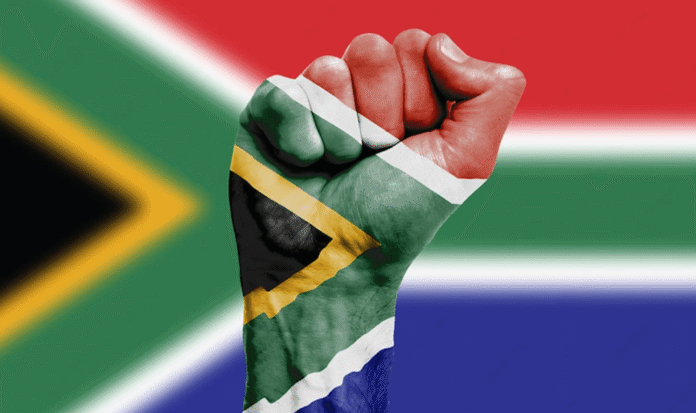
Johannesburg, South Africa: Every year on 27 April, South Africans celebrate Freedom Day, marking the birth of democracy and hard-won rights. In 2026, this observance is a powerful reminder that freedom is both an accomplishment and an ongoing duty. The central message: democracy must translate into real socio-economic progress for all citizens, protecting and deepening freedoms.
On 27 April 1994, South Africa held its first fully democratic elections in which citizens of all races voted together. This moment signalled the formal end of apartheid. The elections ushered in a new political era defined by universal suffrage, representative governance, and a commitment to reconciliation.
The political struggle that led to this moment was long and arduous. Resistance to colonialism and apartheid spanned generations, intensifying after the formalisation of apartheid in 1948. Non-white South Africans were denied political rights, forcibly removed from their homes, and segregated by law.
Yet, through mass mobilisation, labour strikes, civic resistance, underground activism, and international solidarity, the tide slowly turned. The unbanning of the African National Congress and other liberation movements in the early 1990s paved the way for negotiations, an interim constitution, and ultimately the democratic breakthrough of 1994.
A defining symbol of this transition was the inauguration of Nelson Mandela as South Africa’s first democratically elected president. His leadership embodied reconciliation rather than revenge and unity rather than division. Foundational documents such as the Freedom Charter and the progressive Constitution of South Africa entrenched civil liberties, the rule of law, and a transformative vision for society.
In 2026, South Africa’s democracy has endured for more than three decades. Regular elections at the national, provincial, and local levels affirm citizens’ right to choose their leaders. Freedom of expression, association, religion, and movement are constitutionally protected, while an independent judiciary and vibrant media landscape continue to hold power accountable. South Africa remains active in global forums, advocating for human rights, multilateralism, and peace.
Yet democracy is not self-sustaining. It requires constant vigilance, ethical leadership, and public participation. Political contestation is robust, and trust in institutions is often tested, reflecting both the maturity and the pressures of a living democracy.
Since 1994, the country has recorded important socio-economic gains. Millions of households have gained access to electricity, clean water, sanitation, and formal housing, dramatically improving the quality of life compared to the apartheid era. Access to education has expanded, with more young people completing secondary school and entering universities and colleges. Civil liberties are widely exercised, and reforms such as affirmative action and Black Economic Empowerment seek to broaden economic participation and redress historical exclusion.
Despite these achievements, the legacy of apartheid continues to cast a long shadow. South Africa faces some of the highest unemployment rates globally, particularly among youth. Economic inequality remains stark, with wealth and land ownership still unevenly distributed. Structural inequality intersects with race, class, and geography, making transformation complex and urgent.
Service delivery challenges also persist. While access to services has increased, infrastructure maintenance has not kept pace with demand. Power shortages, ageing water systems, and municipal backlogs affect both households and economic productivity. High levels of crime shape perceptions of safety and stability. Corruption and governance weaknesses in parts of the public sector have eroded public trust and diverted resources away from development priorities.
These challenges underscore the main message: freedom is significant, but unfinished. Its true value lies in transforming political rights into economic security and social justice experienced everywhere.
As South Africa marks 32 years of freedom, the occasion is a call to honour history and commit to democratic progress. The core message: the journey from apartheid to democracy is remarkable, but building an inclusive, equitable society continues.
Freedom is a dynamic project, sustained by citizenship, accountable leadership, and a commitment to shared well-being. The main message: active participation and responsibility drive a lasting democracy.
Happy Freedom Day, South Africa