


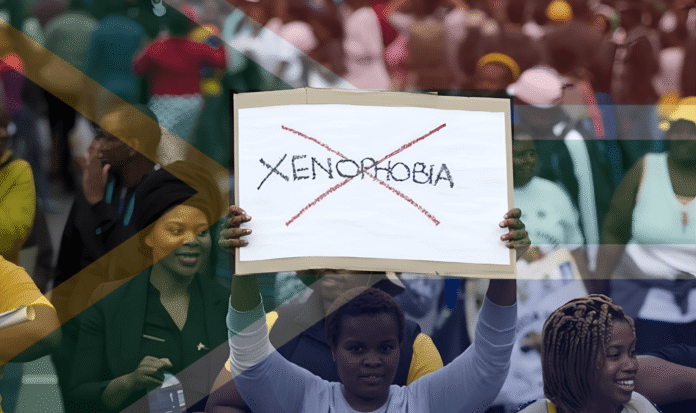
Ghana has formally objected to South Africa after videos appeared online of groups confronting and harassing foreign nationals. These groups claim to target undocumented migrants.
The matter has escalated diplomatically. Ghana’s Foreign Affairs Minister, Samuel Okudzeto Ablakwa, summoned South Africa’s envoy in Accra and demanded urgent action. A video showed a Ghanaian man stopped, interrogated about his legal status, and told to leave South Africa. Ghana called this incident part of a recurring pattern of intimidation against its citizens and other African migrants, according to Reuters.
This episode exposes a persistent fault line in South Africa. Anti-foreigner sentiment has repeatedly erupted, sometimes with fatal outcomes.
Ghanaian officials met the man shown in the video and offered support. At the same time, they urged Ghanaians living abroad to remain law-abiding and respect their host country’s laws. This message highlights the delicate balance governments must strike between defending their citizens and inflaming a volatile situation.
Nigeria responded as well. The country’s diaspora commission warned Nigerians in South Africa to remain vigilant after reports of renewed anti-foreigner protests in several cities. Meanwhile, Reuters reported growing concern as new videos and local reports showed more aggressive street-level actions by groups blaming migrants for South Africa’s economic and social challenges.
Reuters reported that the police ministry pledged to identify and prosecute anyone involved in xenophobic acts or inciting violence against migrants. Foreign Minister Ronald Lamola denounced the attacks and said violence against migrant communities violates South Africa’s constitutional principles.
Campaigners for migrant rights say people in South Africa often scapegoat foreigners during times of economic distress. High unemployment, poor service delivery, and crime are real concerns. However, migrants frequently face intimidation, attacks on businesses, and vigilante confrontations.
This episode shows how quickly public pressure can turn rhetoric into street-level humiliation.
For Ghana, the issue goes beyond a viral video. It raises a broader question: Can African citizens live and work freely in another African country without facing discrimination or threats? For South Africa, the challenge is to uphold lawful order and prevent groups from deciding for themselves who belongs.
Despite the diplomatic strain, Ghana and South Africa are working through official channels, underscoring the importance of strong ties and measured responses. The situation illustrates how xenophobic incidents can quickly escalate into regional concerns.
Harassment of migrants in any African country tests not only national authority but also African solidarity and the continent’s promise of dignity and belonging. The main issue is whether these values are realised in practice.