


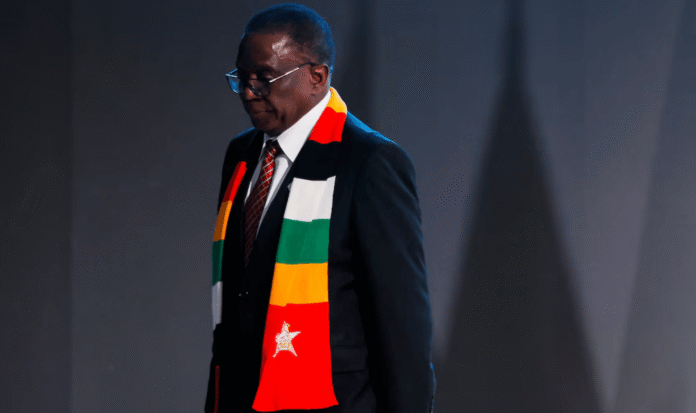
The proposed Zimbabwean constitutional amendment to extend presidential terms from five to seven years has moved to parliament following cabinet approval. The change could allow President Emmerson Mnangagwa to remain in office until 2030.
Justice Minister Ziyambi Ziyambi confirmed that the government will publish the bill in the Government Gazette before lawmakers debate it. Parliament will then consider the Zimbabwe constitutional amendment for adoption.
The Zimbabwe constitutional amendment proposes two major reforms. First, it increases presidential terms from five to seven years. Second, it shifts the presidential election process from direct public voting to a parliamentary vote.
Mnangagwa currently serves his second five-year term. That term ends in 2028 under the 2013 Constitution. If lawmakers pass the Zimbabwe constitutional amendment, it could alter that timeline.
ZANU-PF holds a two-thirds majority in parliament. This majority gives the ruling party enough votes to amend the constitution if members support the bill.
Opposition leaders have criticised the Zimbabwe constitutional amendment. They argue that it may destabilise the political environment ahead of the next election cycle.
Jameson Timba, a senior opposition figure, described the move as politically destabilising. He said the Defend the Constitution Platform will consult lawyers and engage regional partners to challenge the proposal.
Internal tensions within ZANU-PF have already intensified as party leaders debate succession planning. Analysts believe the amendment may influence both national politics and internal party dynamics.
The Zimbabwe constitutional amendment raises wider governance questions across Southern Africa. Constitutional term limits remain sensitive in the region. Changes to executive power often spark debate about democratic stability and institutional strength.
Zimbabwe adopted its current constitution in 2013. That document introduced presidential term limits and other reforms after years of political negotiation.
As parliament prepares to debate the bill, attention will shift to legal scrutiny, public response, and regional reaction.