

The Zimbabwean government has set aside US$10 million to support local content creation, a major investment in the creative industry as the country expands television and radio services under the national broadcaster, the Zimbabwe Broadcasting Corporation (ZBC).
The funding, which forms part of ZBC’s 2026 budget, is intended to drive the rollout of new television and radio channels while ensuring that Zimbabwean filmmakers, musicians and producers play a central role in shaping the country’s broadcasting landscape.
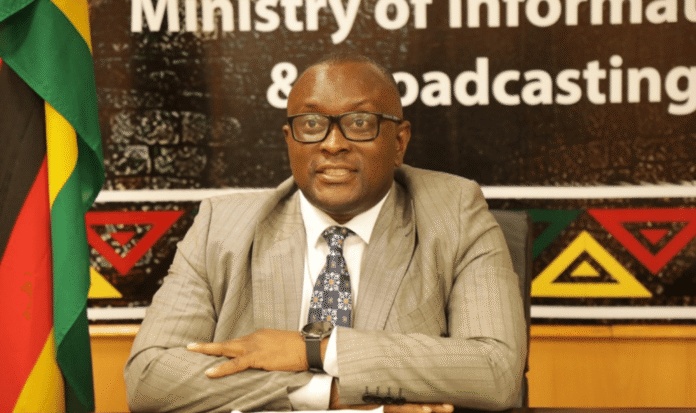
Minister of Information, Publicity and Broadcasting Services Dr Jenfan Muswere announced the funding while addressing a ZBC stakeholder engagement workshop held in Harare on Tuesday. He said the move reflects a shift toward heritage-based broadcasting, with local stories, languages and cultural values taking priority.
Zimbabwe now has the policy and legal frameworks needed to sustain a strong media industry, Dr Muswere said, adding that the responsibility now rests with content creators to deliver work that reflects national identity and professional standards.
“The National Arts Council has more than 3,500 registered creatives,” he said. “What is needed now is content that Zimbabweans can be proud of. Broadcasting success follows content, and for the public broadcaster to grow, we must invest in local production.”
Dr Muswere said it was no longer acceptable for Zimbabweans to fund a public broadcaster while local producers struggle to benefit from it. The US$10 million allocation, he explained, is meant to ensure that creators are paid, supported and integrated into the national broadcasting ecosystem.
“It is now up to filmmakers, musicians and producers to entertain, educate and inform Zimbabweans, as well as the international community, about our journey toward becoming an upper-middle-income society,” he said.
The workshop, he added, was designed to generate ideas that will feed into a national content-creation framework. Government plans also include pre-budget consultations to establish content hubs in all 10 provinces, giving creatives access to shared production facilities.
A Film Policy is currently being developed, alongside a National Language Policy, which is expected to be presented to Cabinet in the first quarter of the year. Amendments to the Broadcasting Services Act, Dr Muswere said, are intended to ensure that broadcast content reflects Zimbabwe’s history, present realities and future aspirations within Africa and beyond.
While ZBC has previously faced challenges, including limited capacity to pay for content, Dr Muswere said reforms implemented last year have improved the broadcaster’s financial position.
“ZBC now has the resources,” he said. “What we need is the content.”
“All television and radio services depend on content,” he said. “That content must come from you, the filmmakers, musicians and creatives who tell Zimbabwe’s story.”
Acting ZBC board chairperson Tapson Dzvetero said the broadcaster was committed to working closely with content creators to ensure the process delivers real change.
“We are ready to listen, to learn and to act,” he said, encouraging open and honest engagement from stakeholders.
ZBC chief executive Sugar Chagonda echoed the message, saying the broadcaster is open to partnerships across the creative sector.