


Zimbabwe plans to continue buying strategic minerals in 2026 as part of a broader strategy to strengthen foreign currency reserves and support the eventual transition to the ZiG as the country’s sole legal tender by 2030.
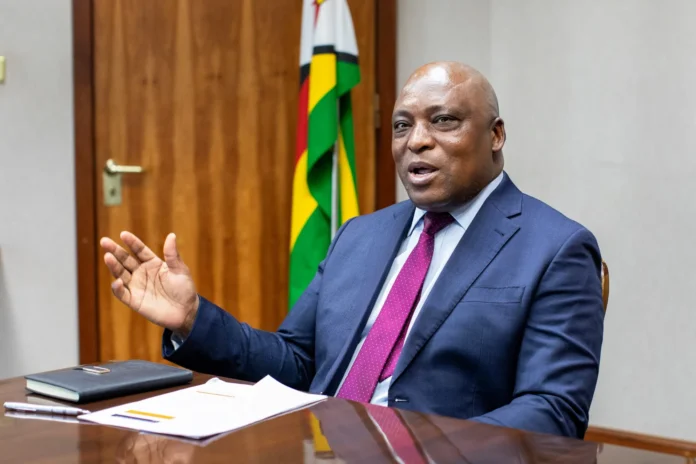
The policy was confirmed by the Reserve Bank of Zimbabwe governor, John Mushayavanhu, who said building and protecting reserves remains central to restoring confidence in the country’s monetary system.
Writing in the Sunday Mail, Mushayavanhu said the central bank’s priority is to steadily grow foreign currency reserves to a level that can cover between three and six months of imports. He said this threshold is widely regarded as a key requirement for maintaining currency stability and is essential for Zimbabwe’s plan to move towards a single-currency system.
To achieve this, the Reserve Bank will continue enforcing export surrender rules, maintain its programme of strategic mineral purchases and focus on strengthening the external sector. According to Mushayavanhu, these measures are designed to ensure the ZiG remains stable and resilient in the face of global economic shocks.
Zimbabwe’s reserve position has improved significantly in recent months. Mushayavanhu said total reserves — including gold, other precious minerals, foreign deposits and cash holdings — rose from about US$276 million in April to roughly US$1.1 billion by December. While this currently provides around 1.2 months of import cover, authorities see it as an important foundation for further accumulation.
The renewed focus on reserves comes after years of currency instability. Zimbabwe has spent nearly two decades trying to rebuild trust in a local currency following a series of collapses that ended with hyperinflation and the adoption of the US dollar in 2009. The ZiG, introduced in April 2024, represents the latest effort to restore monetary sovereignty and now accounts for about 40 percent of daily transactions.
Reserve growth has been supported by several factors, including mandatory mining royalties, direct gold purchases by the central bank and strong global prices for gold and platinum. Under current rules, mining and exporting companies keep 70 percent of their foreign currency earnings, while the remainder is converted into local currency.
Since October 2022, mining firms have also been required to pay half of their royalties in physical minerals, with the balance paid in cash to the central bank. Authorities believe this approach helps anchor reserves in tangible assets while supporting currency stability.
Looking ahead, officials say continued mineral purchases will play a key role in strengthening confidence in the ZiG, shielding the economy from external volatility and supporting Zimbabwe’s long-term goal of full currency normalisation by the end of the decade.