



The Zimbabwean real estate landscape is undergoing a profound paradigm shift that goes far beyond mere brick-and-mortar. What we call a “home” is undergoing a radical transformation. This current “detached” living approach to urban planning has necessitated long commutes, a heavy reliance on vehicles, and has inadvertently contributed to a quietly rising health crisis characterised by sedentary lifestyles.
Today, however, a revolution is taking place on our Zimbabwean soil. Discerning homebuyers, driven by a desire for physical health, mental well-being, and social connectivity, are demanding more than just four walls and a roof. They are seeking a lifestyle. At the forefront of this shift is the concept of lifestyle-centric living, a model that prioritises the human experience by integrating work, leisure, and residence into a single, seamless environment. Leading this charge is WestProp Holdings, whose vision of “Bringing Dubai to Zimbabwe” is not just about aesthetics or luxury, but about redefining the fundamental mechanics of how we live.
The Problem with “Siloed” Living: The Hidden Tax of Movement
To understand why lifestyle-centric living is essential, we must first look at the shortcomings of the traditional model. As explored in some of my previous articles, many urban residents in developing economies suffer from “transport poverty.” This occurs when the cost of movement – both in terms of money and time – becomes one of the highest household expenses after housing itself.
Traditional city planning forced us to spend hours in traffic, isolating us from our families and limiting our opportunities for physical activity. This sedentary nature of modern urban life is what many developers are now calling the “sedentary epidemic.” When recreational facilities are located too far away, they simply aren’t used. The solution? Bringing the facilities to the doorstep.

The “Live, Work, Shop, Play” Model: A Micro-Economic Imperative
As WestProp Holdings, we have pioneered a response to this urban fatigue through the Live, Work, Shop, Play model. This is more than a catchy slogan; it is a meticulously designed ecosystem, often referred to as a “15-minute city” or a “smart city.”
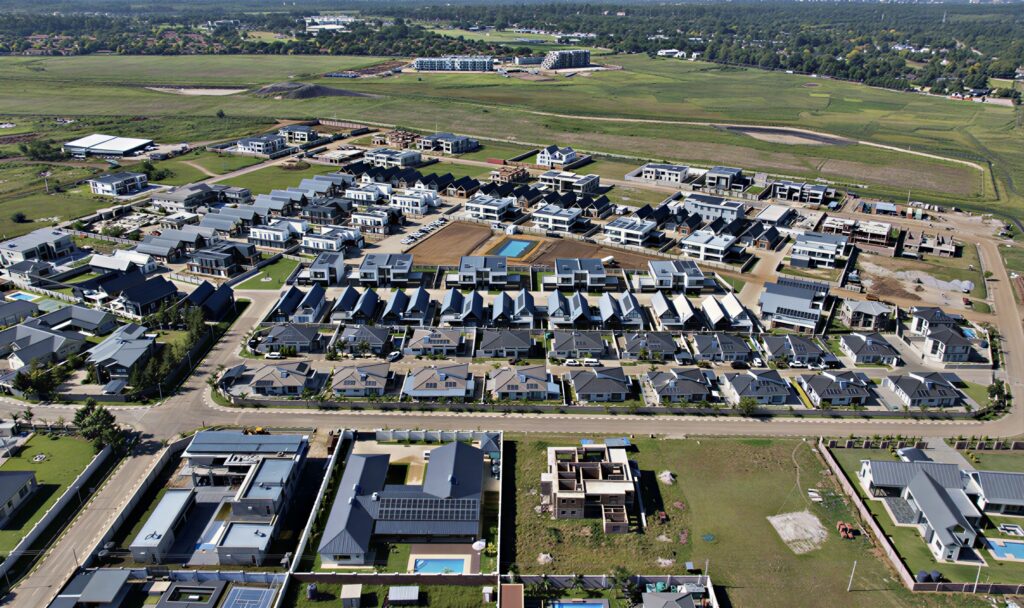
The goal is simple: ensure that residents can access everything they need within walking distance. By building “up” rather than “out”, as seen in the Millennium Heights blocks, developers can optimise the use of water, electricity, and road networks. This high-density, mixed-use approach stimulates local micro-economies and alleviates the financial burden of transportation. When you live in a community like Pomona City, designed as a “city within a city,” the convenience of modern living no longer comes at the cost of your physical health or your wallet.
Building More Than Homes: The Amenity Revolution
The new wave of real estate in Zimbabwe is characterised by the belief that developers should curate holistic lifestyles rather than just selling houses. This is achieved through a comprehensive suite of amenities that address security, sustainability, and social wellness.
1. Health and Elite Sporting Facilities
Physical health is the foundation of a vibrant life. WestProp’s Hills Lifestyle Estate is a prime example of this, boasting an international-standard tennis academy. By partnering with Zimbabwe’s top tennis players, the Lock brothers, to spearhead this academy, WestProp is moving beyond basic recreation into elite-level sporting infrastructure. Furthermore, the development features record-breaking open green spaces of over 80% of the land, creating a massive garden where luxury meets nature.
2. Biophilic Design and Mental Well-being
Our living places should take into consideration our innate need for nature. Modern Zimbabwean developments are now bringing nature indoors. From skylights in Millennium Heights (Blocks 2,3 and 4) that harmonise internal clocks with natural daylight to the use of “living walls” and green roofs, the focus is on psychological restoration.
This is complemented by the orchard garden at Pomona City, featuring over 50 indigenous fruit trees, providing both visual appeal and fresh produce for the community.
3. Sustainable Infrastructure and Modern Convenience
Lifestyle-centric living requires a resilient backbone. In a region where utility reliability can be a concern, the new wave of gated communities is taking matters into its own hands. WestProp provides centralised gas reticulation, solar power, and biodigester sewer solutions (found at Pomona City).
Innovative waste management is also becoming a standard. We are exploring waste management solutions that allow for efficient collection and sorting of waste at the source. This transition from a “take-make-dispose” model to a more circular approach ensures that our communities remain environmentally conscious and sustainable for generations to come.
Why This Matters: Quality of Life and Infrastructure
The shift toward lifestyle-centric real estate is not a passing trend; it is an economic and social imperative. From a financial perspective, properties in these amenity-rich gated communities tend to appreciate at a significantly higher rate than those in non-gated neighbourhoods. The community-led guidelines and maintenance standards protect the long-term value of the investment.
But more importantly, this approach improves the overall quality of life. When a home is the foundation of health, community, and convenience, the “sedentary epidemic” is replaced by an active, engaged population. By prioritizing walkability and green spaces, developers are building a future where the built environment serves the human spirit, rather than the other way around.