
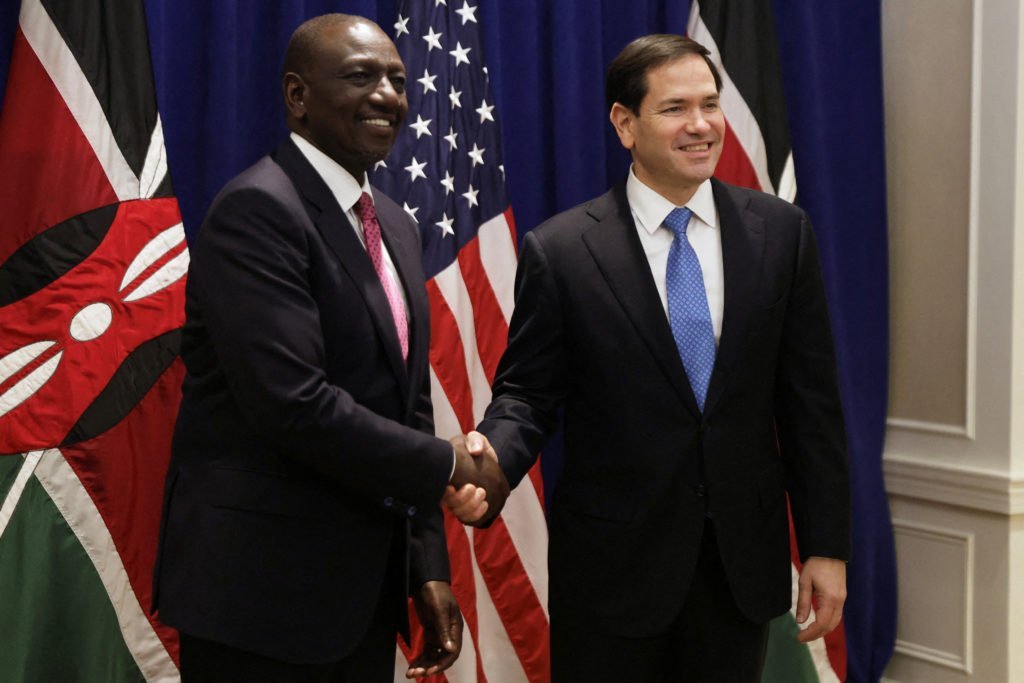
Kenya and the United States have signed a significant five-year health agreement worth $2.5bn, marking the first major health partnership between the two countries since Donald Trump reshaped America’s foreign aid policy. The deal is designed to strengthen Kenya’s response to infectious diseases, with further agreements expected in other African countries that align with Washington’s wider approach.
The agreement will focus on HIV/Aids, malaria and tuberculosis, as well as maternal care and the prevention of future outbreaks. The United States will provide most of the funding, contributing $1.7bn, while Kenya will add $850m and gradually take on a larger share of responsibility over time.
Kenya’s Health Minister Aden Duale said the partnership was intended to increase transparency and accountability in how health funds are used and insisted that personal patient information would remain protected. He said only aggregated and anonymised data would be shared with American authorities.
The deal comes after major changes to US foreign assistance. When Donald Trump took office, he halted foreign aid spending, dismantled USAID’s traditional structure and cut billions of dollars from international health programmes. The move has been linked to shortages of vital medicines in a number of developing countries.
In September, Washington introduced what it calls the “America First Global Health Strategy”, which ties any health support to individual negotiations. US officials say the aim is to reduce what they see as waste and to ensure that funding matches America’s strategic priorities.
US Secretary of State Marco Rubio, who signed the agreement alongside President William Ruto in Nairobi, described it as a landmark moment. He praised Kenya for its long-standing relationship with the United States and highlighted the country’s role in leading the international mission backed by the United Nations in Haiti.
Rubio also said the United States wanted to direct more aid money straight to governments rather than international organisations, arguing that decision-making should rest with elected authorities. “We are not going to spend billions of dollars funding the NGO industrial complex,” he said.
Kenya says the money will support its domestic health strategy, including the purchase of modern hospital equipment and the expansion of the health workforce. President Ruto promised that the funds would be used responsibly and said every dollar would be accounted for.
However, concerns have been raised in Kenya about access to sensitive health records. Lawyers, civil society figures and activists have called for the full agreement to be made public, saying people have a right to know exactly what type of information might be shared. Some fear it could include HIV records, treatment histories or vaccination data.
Minister Duale has rejected those claims as unfounded, saying Kenya’s health information remains protected by national law and describing health data as a “national strategic asset”. US officials have not yet responded to questions about data security.
More African countries are expected to sign similar agreements with Washington later this year, according to American officials.