


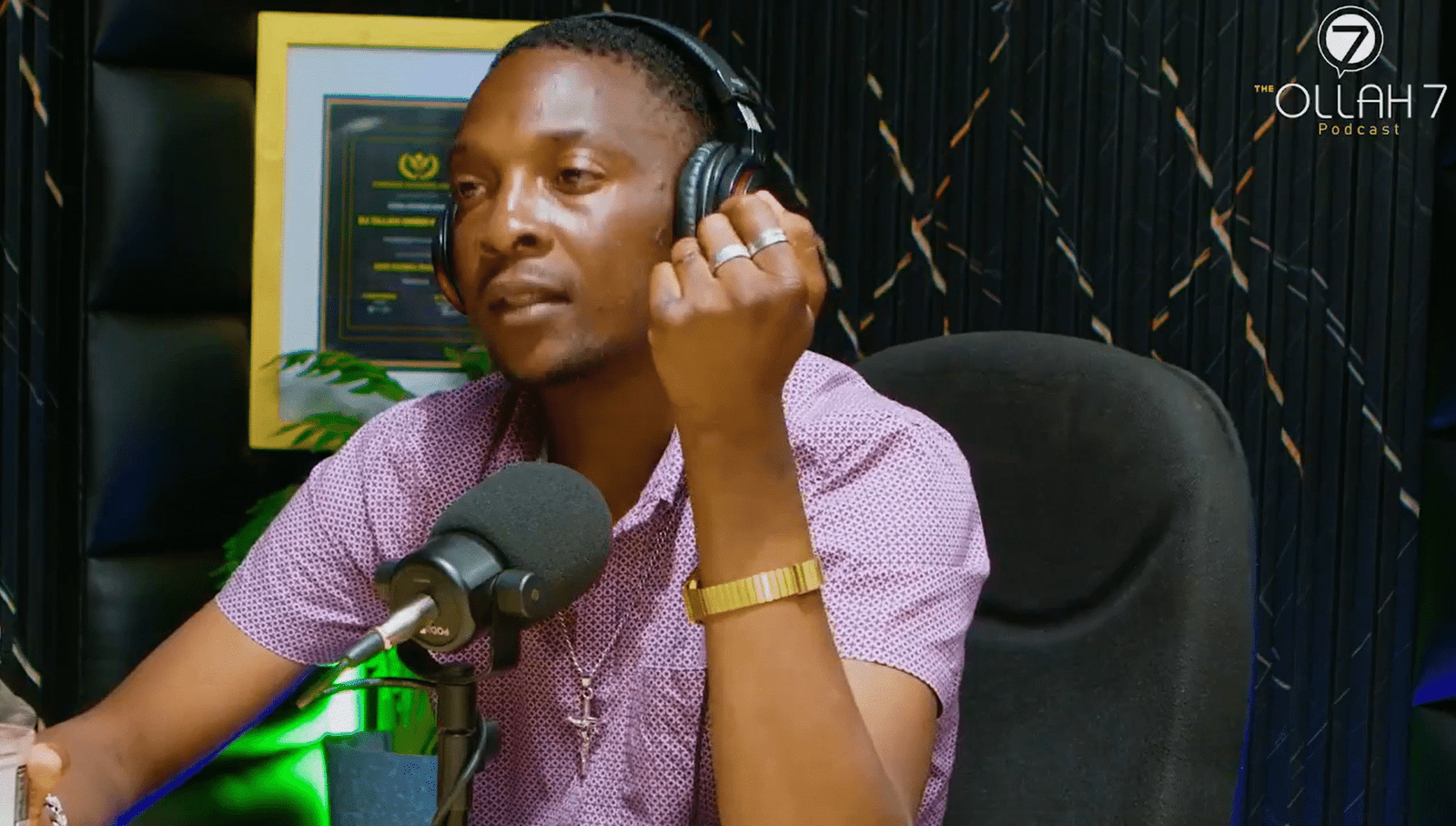
When Zimbabwean dancehall artist Blot, born Takura Chiwoniso, sat down with DJ Ollah 7, it did not feel like a typical music interview. It felt like a pause. A moment where someone decided to stop hiding and speak honestly.
Blot spoke about addiction, recovery and the quiet struggles many young artists face. For many watching, it was the first time they heard him talk so openly about what he has been going through.
Blot has been in the public eye for years. He rose to fame in 2016 when his song Ndiri Bad took off and made him one of the most exciting new voices in Zimdancehall. Back then, his future looked bright. But as time passed, the pressure grew. Fame came quickly. So did expectations. And somewhere along the way, drugs entered the picture.
On DJ Ollah 7’s show, Blot did not try to defend himself or make excuses. He spoke about how drug use affected his life and his career. He talked about arrests, broken relationships and losing direction. He also spoke about going to rehab. The conversation was not dramatic. It was honest. At times, uncomfortable. But very real.
In another interview with The Herald, Blot admitted that drugs slowed his career at a time when he should have been building momentum. In Zimbabwe, addiction is still something many people struggle to talk about. It is often judged or ignored. That is why Blot’s honesty matters. It gives others permission to speak too.
What helped the conversation land was its pace. DJ Ollah 7 allowed Blot to talk without rushing him. Blot explained how fame can isolate artists, how certain environments normalise drug use, and how quickly things can spiral without support. His story is not unique. It reflects what many young people across Zimbabwe are facing, far beyond the music industry.
The drug problem Blot spoke about is a national issue. Communities across the country are worried about rising substance abuse among young people. Artists often carry that reality with them, sometimes in their music, sometimes in their behaviour. Blot’s journey shows how easily talent can be lost, and how difficult the road back can be.
During the interview, Blot did not claim to be healed or fixed. His message was simple: he is trying. That honesty is powerful. Recovery is rarely neat. It involves progress, mistakes and the courage to keep starting again.
His relationship with fellow Zimdancehall artist Silent Killer has also drawn public attention. In the music scene, rivalries are often turned into entertainment. But beneath the talk of clashes and misunderstandings lies a deeper story. Young artists under pressure, dealing with private struggles in public spaces.
When drugs become part of that mix, relationships suffer. Trust breaks. Reconciliation becomes harder. Online rumours and industry talk continue to link Blot and Silent Killer, showing how closely their stories remain connected, whether they work together or not.
Zimbabwe has no shortage of talent. Zimdancehall remains one of the strongest voices of the country’s youth. Today, Blot’s importance goes beyond hit songs. His story speaks to a wider moment — one where drugs, mental strain, economic hardship and fame collide, leaving many young people vulnerable.
Blot’s appearance on DJ Ollah 7’s show did not fix anything overnight. But it did something important. It turned a private struggle into a public conversation, without turning him into a joke. In a culture that can be quick to laugh at someone’s fall, that matters.
What happens next will depend on support, consistency and Blot’s ability to stay clean in the same world that once pulled him under. But for many watching, the message is already clear. Zimbabwe’s drug crisis is not gossip. It is real. And the people living through it are not headlines. They are sons, daughters, friends, and in Blot’s case, a young artist trying to rebuild his life in full view of the public.