
Accra, 11 November 2026. Ghana says the Agbogbloshie clean-up could create up to 20,000 permanent jobs in waste management and the circular economy. The plan aims to move informal scrap workers into formal recycling instead of pushing them away from the site. It arrives as waste management becomes a major theme at the COP31 climate talks in Türkiye, which opened this week.
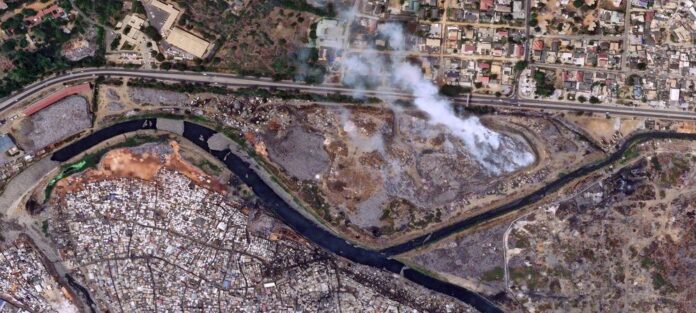
Local Government Minister Mahama Ayariga outlined the jobs target. President John Mahama launched a three-month clean-up in September. It aims to remove about one million tonnes of waste from the site beside the Korle Lagoon in Accra. Heavy equipment is hauling the waste to a landfill about 31 miles outside the capital. There, it will be compacted and covered under environmental safeguards.
Importantly, the plan brings the garbage pickers and tricycle haulers who already work at the site into the formal recycling system. This approach protects livelihoods while it improves safety.
Agbogbloshie is one of the world’s best-known informal e-waste dumps. Workers crudely recycle old fridges, televisions and appliances. For years, electronics have been burned there to recover copper and other metals. A scrap dealer named in the AFP report, Barima Okuanaju, earns about $4 to $9 a day dismantling fridges and cars by hand.
An informal settlement of about 80,000 people, many of them migrants and traders, sits beside the dump. Women and children sell food, tools and water to workers around its edge. One of them, 14-year-old Aminatu Fatawu, sells bottled water to help cover her school fees. Runoff from Accra pours into the lagoon beside the site, which makes it one of the city’s most polluted waterways.
Burning cables and batteries releases toxic substances, including lead, mercury and dioxins. University of Ghana epidemiologist Reginald Quansah says workers face lung and neurological risks. However, he notes that no study has yet linked specific diseases to the site. He says the cumulative contamination still raises concern, even if the exact causes remain unmeasured.
Much of Agbogbloshie’s refuse comes from outside Ghana. Greenpeace estimates that 15 million used garments reach the country every week. Roughly half of what traders cannot sell becomes “dead waste”, which is dumped on beaches and fields or burned. In samples the group cited, 89% of the dead garments contained petrochemical fibres such as polyester. One study cited by Greenpeace put Ghana’s used-clothing imports at more than 110,000 tonnes in 2022.
Greenpeace says these volumes exceed what Ghana’s 35 million people can absorb. Its plastics expert, Hellen Kahaso Dena, argues that wealthy countries use Ghana as a dumping ground for fashion waste.
Ghana’s plan addresses the supply of waste and the people who handle it. If the jobs materialise, recycling could become a reliable source of income for workers who now earn small and irregular amounts. The clean-up is also a test case for other African cities that face similar imports.
The reports describe the target and the intent, but they leave several practical questions open. They do not say how pickers will register, who will employ them, or how quickly the first jobs will appear. Nor do they say what will happen to the settlement of 80,000 people beside the site.
These points will decide whether the 20,000 figure is met. Observers will also look for health protection, since several workers interviewed said they sort waste without gloves or masks. One worker, a Liberian immigrant named James Hassan, reports headaches and coughing but has never sought medical care.
Greenpeace Africa’s head of investigations, Samuel Quashie-Idun, has said that a lot of clothing shipped into Ghana arrives as waste. Cutting the flow at the source would therefore ease the burden on any new recycling system.
What this means: Agbogbloshie could shift from a symbol of waste to a source of formal jobs. Fence Africa 24 will report on progress when the three-month clean-up ends.
Source: Africanews, citing AFP (11 November 2026); OkayAfrica (11 November 2026); Malay Mail / AFP (11 November 2026).