


Cabo Verde’s historic performance at the 2026 FIFA World Cup may have ended on the pitch, but its impact is being felt far beyond football. The small West African island nation has experienced a sharp rise in international travel interest after its national team captured global attention during its first World Cup appearance.
Online searches for holidays to Cabo Verde surged during and after the tournament, offering the tourism-dependent country an unexpected opportunity to turn sporting success into longer-term economic growth. The challenge now is converting global curiosity into visitors while ensuring the benefits reach communities across the archipelago.
World Cup Puts Cabo Verde on the Global Stage
Cabo Verde entered the tournament as one of its biggest underdogs. With a population of just over half a million people, the country was making its first appearance at football’s biggest competition. Yet the Blue Sharks quickly became one of the tournament’s most talked-about teams.
Their run carried them beyond the group stage and into the knockout rounds, where they faced defending champions Argentina. Cabo Verde eventually lost 3-2 after extra time, ending a campaign that had transformed the country’s international profile.
The team’s performances also created something difficult for a tourism marketing campaign to buy: sustained global attention. That attention quickly spread from football to travel. Searches in the United States for “Cabo Verde vacation” rose by more than 5,000% compared with the previous year, according to figures reported following the World Cup.
Travel platform Expedia also recorded an increase of more than 800% in searches from US users during the tournament. Interest was not confined to North America. European travel company TUI reported that searches for Cabo Verde had doubled compared with June 2025, while interest from some other international markets also increased significantly.
The figures measure online interest rather than confirmed visitor arrivals. However, they provide an early indication of how football has introduced the country to potential travellers who may previously have known little about it.
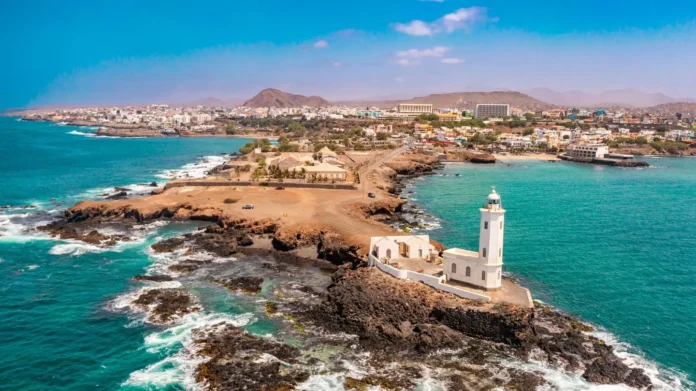
Cabo Verde consists of 10 volcanic islands in the Atlantic Ocean, several hundred kilometres off Africa’s west coast. The islands of Sal and Boa Vista have already established themselves as popular beach destinations, particularly among European travellers.
But the country offers considerably more than resort tourism. Santo Antão is known for its mountains, valleys and hiking trails. São Vicente is home to Mindelo, a city closely associated with Cabo Verde’s music and cultural identity.
Santiago, the largest island, includes the capital Praia as well as Cidade Velha, a UNESCO World Heritage Site with an important place in Atlantic history.
Music is another significant part of the country’s identity. The late singer Cesária Évora helped take Cabo Verdean morna to international audiences and remains one of Africa’s most internationally recognised musicians. The World Cup has now given the country another opportunity to introduce that culture to a wider audience.
The surge in interest comes at an important time for Cabo Verde. Tourism is one of the main pillars of its economy and a major source of jobs, investment and foreign currency. The World Bank says Cabo Verde’s economy expanded by 6.3% in 2025, supported by record tourism arrivals, stronger private consumption and improved fiscal performance.
That growth demonstrates the strength of the tourism sector. It also highlights the country’s dependence on it. A major downturn in international travel could have significant consequences for employment and government revenues.
The World Bank has therefore encouraged greater economic diversification alongside continued tourism development. The immediate question is whether the surge in online searches will translate into actual bookings.
Major sporting moments can dramatically increase the international visibility of smaller countries. However, maintaining that attention requires investment in aviation, accommodation, transport and destination marketing.
Connectivity between its islands remains one of the biggest challenges for Cabo Verde. Visitors who arrive on the better-connected tourist islands may find travelling to other parts of the archipelago more difficult. Improving those connections could help distribute tourism income beyond established resort destinations.
Better transport links could also allow smaller communities, restaurants, tour operators and locally owned accommodation providers to benefit from increased visitor numbers.
Rapid tourism growth can bring its own pressures. Small island economies must balance visitor demand with limited water supplies, housing, waste management and environmental protection.
Cabo Verde’s beaches, volcanic landscapes and marine ecosystems are among its most valuable tourism assets. Protecting them will be important if visitor numbers continue to increase.
There is also the question of who benefits. Tourism can create employment and business opportunities, but policymakers face the challenge of ensuring that revenue reaches local communities rather than remaining concentrated within large international resorts.
Sustainable tourism development could allow the country to expand the industry without sacrificing the natural and cultural identity that attracts visitors in the first place.
Cabo Verde arrived at the World Cup as one of the tournament’s smallest nations. It left with millions more people knowing its name. The recognition has already produced extraordinary interest in the country as a potential holiday destination.
What happens next will depend on how Cabo Verde uses that attention. If the country can improve connectivity, protect its environment and broaden the benefits of tourism, the Blue Sharks’ historic World Cup campaign could leave an economic legacy long after the final whistle. Cabo Verde’s greatest victories of the tournament may ultimately happen away from the football pitch.